


Auto Dimming Mirror
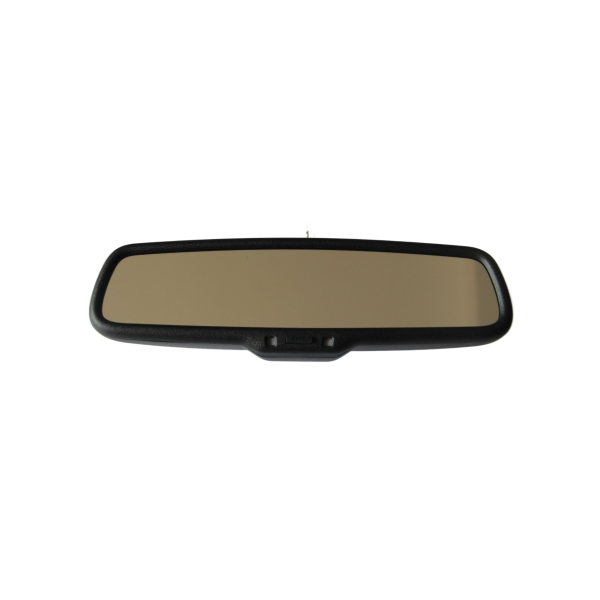
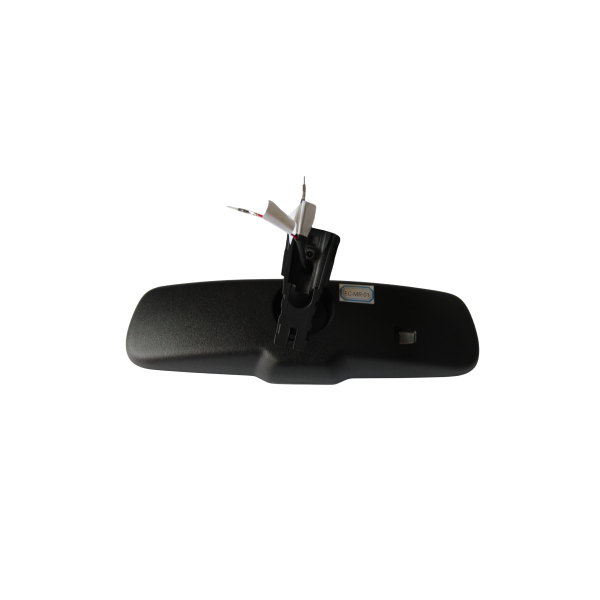
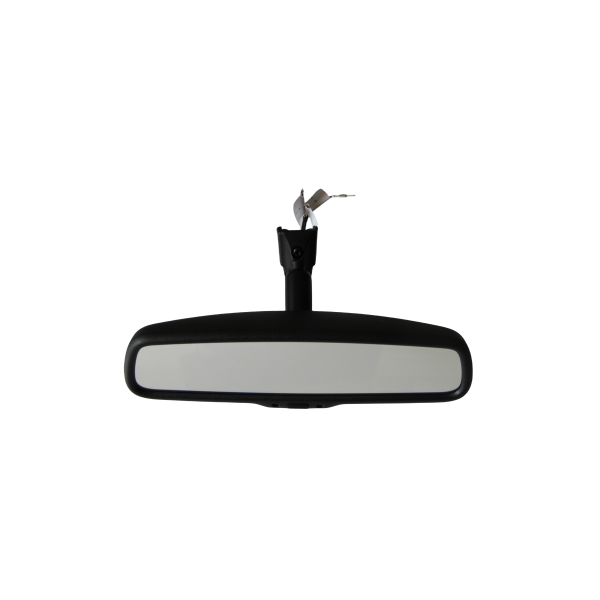
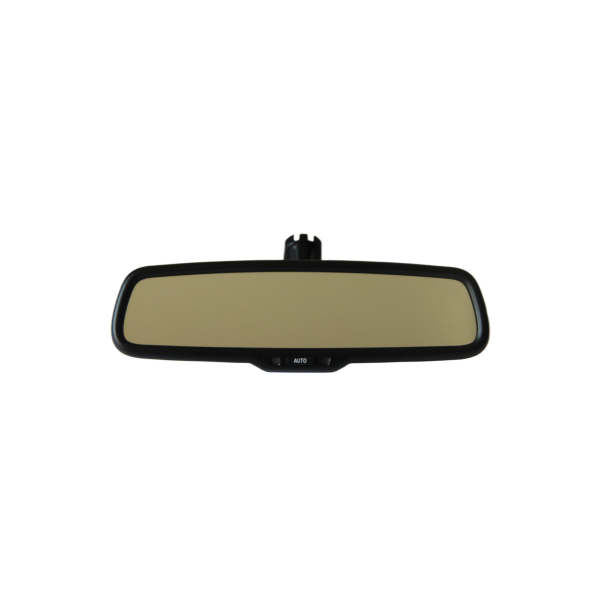
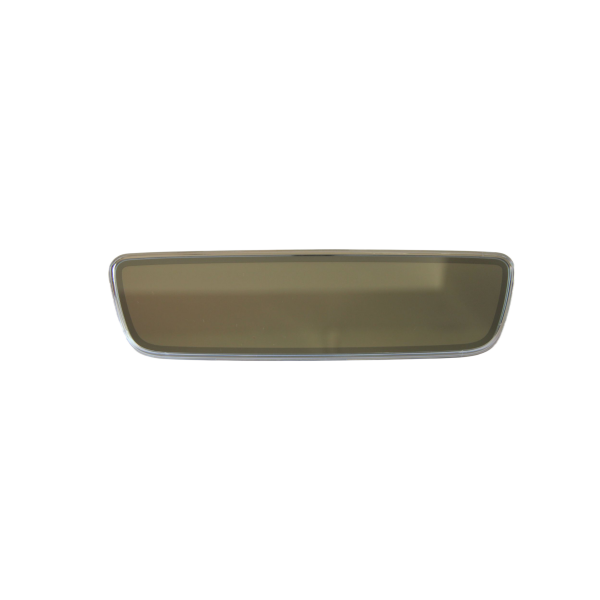
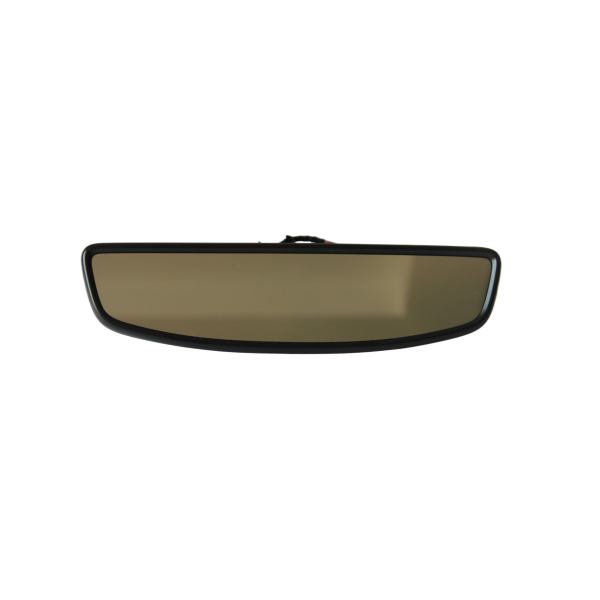
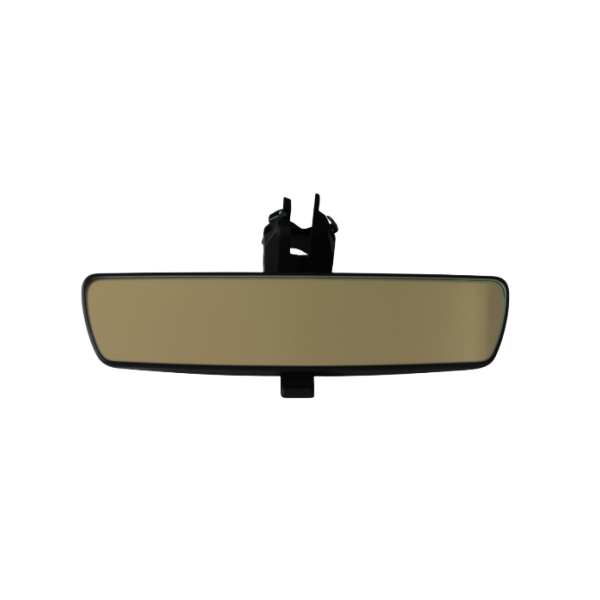
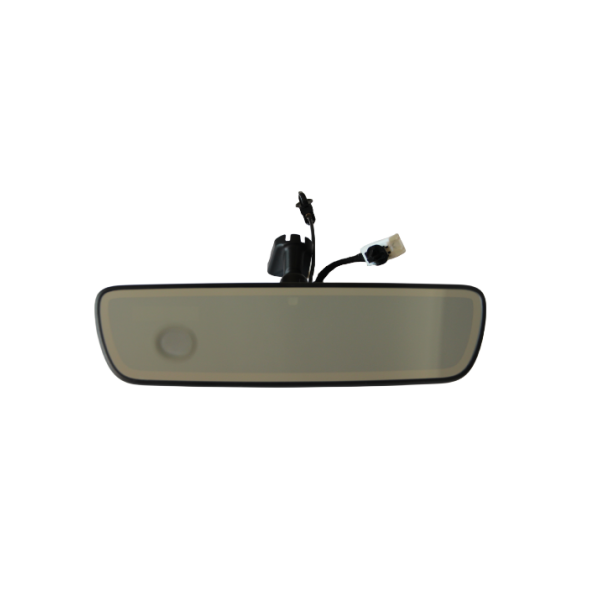
An auto dimming rearview mirror, also known as an electro chromic mirror, is a specialized type of rearview mirror designed to automatically reduce glare from headlights of vehicles behind you during nighttime driving. This technology enhances driving safety by improving visibility and reducing eye strain for the driver. Here's how auto dimming rearview mirrors typically work:
Electrochromic Technology:
- Auto dimming mirrors use electro chromic technology, which involves a layer of electrochromic gel or film sandwiched between two layers of glass.
Light Sensors:
- The mirror is equipped with light sensors that continuously monitor the ambient light conditions around the vehicle. These sensors detect changes in light intensity, especially from headlights of vehicles behind.
Automatic Activation:
- When the sensors detect glare, the electrochromic technology is activated. An electrical current is applied to the gel or film, causing it to darken and reduce the amount of light reflected by the mirror.
Dimming Process:
- The electro chromic layer undergoes a chemical reaction, changing its tint and dimming the mirror. This dimming process occurs automatically and is designed to be seamless and quick, allowing the driver to maintain focus on the road.
Real-Time Adjustment:
- The auto dimming feature adjusts the level of dimming in real time based on the intensity of the glare. This ensures that the mirror provides optimal visibility without causing discomfort to the driver.
Gradual Transition:
- The transition from a standard mirror to a dimmed state is often gradual and may occur in multiple stages. This helps avoid abrupt changes in visibility and provides a smooth adjustment.
Return to Normal State:
- Once the glare diminishes or the ambient light conditions change, the electro chromic mirror gradually returns to its normal, non-dimmed state. This ensures that the mirror provides optimal visibility during daytime or when glare is not a concern.
Integration with Other Features:
- Some advanced auto dimming mirrors may be integrated with other features, such as a compass, temperature display, or even HomeLink systems for controlling garage doors and other compatible devices.
Customizable Settings:
- In some vehicles, the sensitivity of the auto dimming feature may be customizable. Drivers can adjust settings to suit their preferences, allowing for a personalized driving experience.
Auto dimming rearview mirrors contribute significantly to driving comfort and safety, particularly during nighttime conditions when glare from headlights can be a significant issue. This technology has become a common feature in many modern vehicles, providing drivers with enhanced visibility and reducing the impact of oncoming headlights.
A dimming rearview mirror, often referred to as an auto-dimming or electrochromic mirror, is designed to automatically reduce glare from headlights behind the vehicle during nighttime driving. Here's an overview of how dimming rearview mirrors work and their key features:
Working Principle:
Electrochromic Technology:
- Dimming rearview mirrors use electrochromic technology. This involves a special electrochromic gel or film sandwiched between two layers of glass in the mirror.
Light Sensors:
- The mirror is equipped with sensors, usually photodetectors or photodiodes, that continuously monitor the ambient light conditions. These sensors detect changes in light intensity, especially from headlights of vehicles behind.
Automatic Activation:
- When the sensors detect glare, the electrochromic technology is activated. An electrical current is applied to the electrochromic layer, causing it to undergo a chemical reaction and change its tint.
Dimming Process:
- The electrochromic layer darkens, reducing the amount of light reflected by the mirror. This dimming process occurs automatically and is designed to be quick and seamless.
Real-Time Adjustment:
- The dimming effect is adjusted in real-time based on the intensity of the glare. The mirror provides optimal visibility without causing discomfort to the driver.
Gradual Transition:
- The transition from a standard mirror to a dimmed state is often gradual. This helps avoid abrupt changes in visibility and provides a smooth adjustment for the driver.
Return to Normal State:
- Once the glare diminishes or the ambient light conditions change, the electrochromic mirror gradually returns to its normal, non-dimmed state. This ensures optimal visibility during daytime or when glare is not present.
Key Features:
Automatic Operation:
- The primary feature of a dimming rearview mirror is its automatic operation. The mirror responds to changes in light conditions without requiring manual adjustments from the driver.
Improved Visibility:
- By reducing glare from headlights behind the vehicle, dimming rearview mirrors enhance visibility, especially during nighttime driving. This contributes to reduced eye strain and improved safety.
Customizable Sensitivity:
- Some mirrors allow drivers to customize the sensitivity of the dimming feature. This customization enables drivers to adjust how much glare triggers the dimming process, providing a personalized experience.
Integration with Other Systems:
- Dimming rearview mirrors may be integrated with other vehicle systems, such as navigation, entertainment, or advanced driver-assistance systems (ADAS). This integration enhances overall driving experience and safety.
Energy Efficiency:
- The electrochromic technology used in dimming mirrors is energy-efficient. The system consumes power only when transitioning between states, contributing to overall vehicle energy efficiency.
Dimming rearview mirrors have become a standard feature in many modern vehicles, offering a convenient and safety-enhancing solution for nighttime driving conditions.


