Clear Vision and Safety Ensured: Automotive Rearview Mirror Heating Plate
As winter's icy grip tightens, the challenges of driving in cold weather become more pronounced. Reduced visibility due to fog, frost, or snow can pose significant hazards on the road. In response to this, automotive engineers have developed innovative solutions to ensure drivers maintain a clear view of their surroundings. Among these solutions, rearview mirror heating films stand out as a crucial element in enhancing safety and convenience during winter driving. Let's explore the importance and benefits of these heating films in automotive applications.
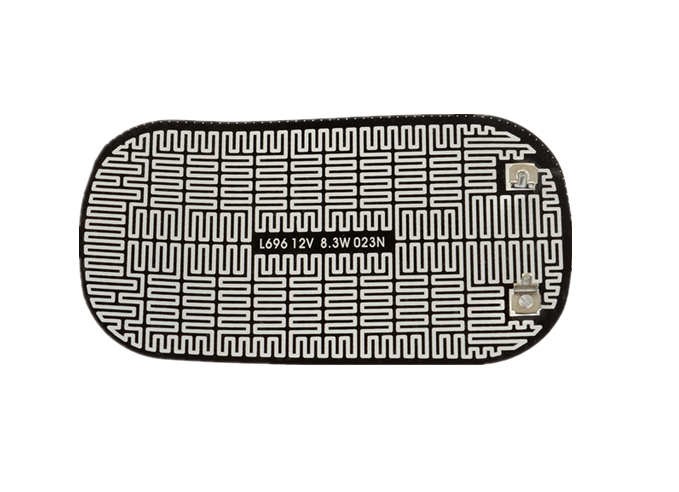
Rearview mirror heating films, also known as defogging or demisting films, are thin, transparent layers embedded with heating elements that are applied to the surface of automotive rearview mirrors. These heating elements are typically made of conductive materials that generate heat when an electric current passes through them. When activated, the heating film quickly warms the mirror's surface, effectively preventing fogging or frosting that can obscure the driver's view.
One of the primary benefits of rearview mirror heating films is improved visibility in adverse weather conditions. Fogged or frosted rearview mirrors can significantly impair a driver's ability to see vehicles approaching from behind, increasing the risk of accidents, especially during maneuvers such as lane changes or reversing. By keeping the mirror surfaces clear and free of condensation, heating films ensure that drivers have a clear and unobstructed view of their surroundings, enhancing safety on the road.
Moreover, rearview mirror heating films offer convenience and ease of use for drivers. Unlike traditional methods such as manually wiping or spraying anti-fog solutions, which can be cumbersome and time-consuming, heating films provide an automated solution that requires minimal intervention from the driver. With the simple push of a button or activation through the vehicle's climate control system, drivers can quickly defog or demist their rearview mirrors, allowing them to focus on the task of driving without distraction.
In addition to enhancing safety and convenience, rearview mirror heating films contribute to overall driving comfort. Cold weather conditions can be harsh on vehicle occupants, and having to deal with fogged or frosted mirrors only adds to the discomfort. By maintaining clear mirrors, heating films help create a more comfortable and pleasant driving environment, reducing stress and fatigue for drivers during winter journeys.
Furthermore, rearview mirror heating films are energy-efficient and environmentally friendly. Unlike traditional heating methods that rely on the vehicle's engine heat or consume excessive electrical power, heating films are designed to heat up quickly and operate efficiently, minimizing energy consumption. This not only helps reduce the vehicle's overall energy footprint but also ensures that the heating system remains effective even in low-power or hybrid vehicles.
In conclusion, rearview mirror heating films play a vital role in enhancing visibility, safety, and comfort for drivers during winter driving conditions. By preventing fogging and frosting of rearview mirrors, these innovative solutions ensure that drivers maintain clear and unobstructed views of their surroundings, reducing the risk of accidents and enhancing overall driving experience. As automotive technology continues to evolve, rearview mirror heating films are poised to become standard features in vehicles, offering drivers peace of mind and confidence on the road, regardless of weather conditions.
Shaping Perspectives: The Precision Craft of Rear View Mirror Moulds
Unlocking the Secrets of Automotive Rearview Mirrors
Related Article