Exploring the Visual Disparity: Why Chrome Mirrors Appear Darker than Aluminum Mirrors
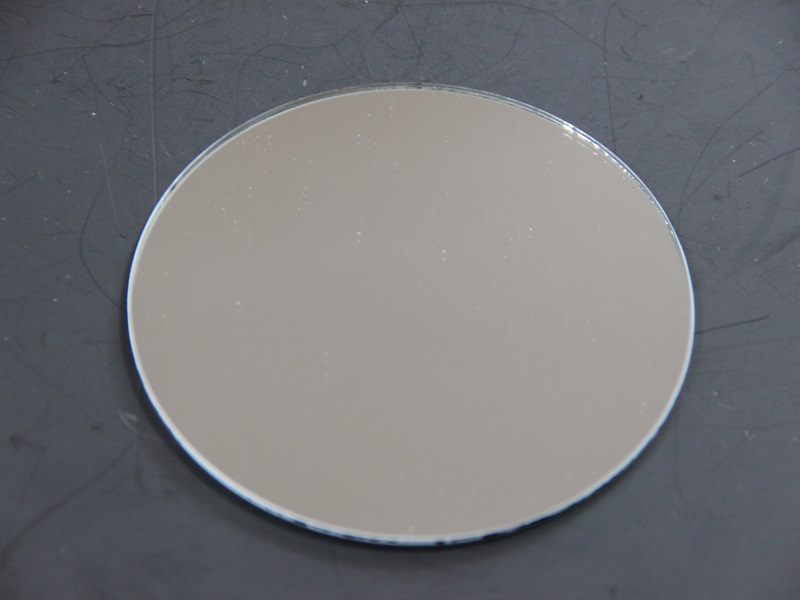
Chrome mirrors and aluminum mirrors are two common types of mirror surfaces, each with its own distinct appearance. One noticeable difference is that chrome mirrors may appear darker than aluminum mirrors. This contrast in appearance can be attributed to several factors.
Firstly, it's essential to understand that chrome and aluminum have different optical properties. Chrome has a higher reflectivity compared to aluminum. When light strikes the surface of a chrome mirror, it tends to absorb more light, resulting in a darker appearance. On the other hand, aluminum has lower reflectivity, allowing more light to be reflected, which can make aluminum mirrors appear brighter.
Another contributing factor is the glossiness of the mirror surface. Chrome mirrors often have a higher level of glossiness due to chrome's superior polishing characteristics. This high glossiness can enhance the perception of darkness, making chrome mirrors appear darker compared to aluminum mirrors, which may have a less glossy finish.
Additionally, the substrate material can influence the overall appearance of the mirror. Chrome and aluminum mirrors are typically coated onto different substrate materials, which can affect their reflective properties and surface smoothness. Variations in substrate materials can result in differences in reflectivity and color perception between chrome and aluminum mirrors.
Surface treatments and coatings applied during the manufacturing process can also play a role. Chrome and aluminum mirrors may undergo different surface treatments, such as cleaning, polishing, and coating processes. These treatments can impact the final appearance of the mirror, with chrome mirrors potentially receiving treatments that enhance their darkness or contrast.
Furthermore, environmental factors and exposure to elements may affect the appearance of both chrome and aluminum mirrors over time. Oxidation and corrosion can occur on aluminum mirrors, potentially altering their reflective properties and appearance. Chrome mirrors may also experience changes due to environmental factors, though to a lesser extent compared to aluminum mirrors.
In conclusion, the difference in darkness between chrome and aluminum mirrors stems from a combination of factors including their reflectivity, glossiness, substrate materials, surface treatments, and environmental influences. While chrome mirrors may appear darker, both types of mirrors have their unique characteristics and applications. The choice between chrome and aluminum mirrors depends on various factors such as aesthetic preferences, functional requirements, and environmental considerations.
Bending Ovens: Revolutionizing Car Mirror Manufacturing
What is Car Rearview Mirror switch?
Related Article