Navigating Clarity: Choosing the Optimal Rearview Mirror Lenses for Your Vehicle
2024-04-15
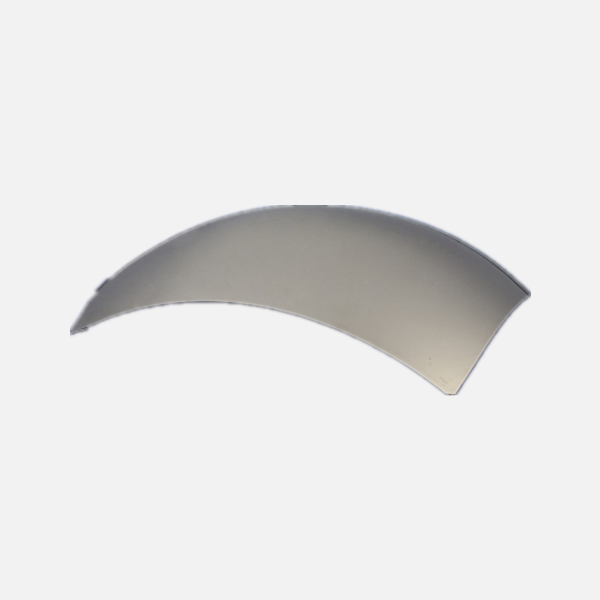
When considering the optimal type of mirrors for car rearview mirrors, it's essential to weigh various factors such as material, reflectivity, durability, and cost. Each type of mirror comes with its own set of advantages and considerations, catering to the different preferences and needs of drivers.
Glass mirrors have long been favored for their superior optical clarity and durability. These mirrors offer excellent reflection of light, providing drivers with clear visibility of objects behind the vehicle. Glass mirrors are also resistant to scratches and abrasions, maintaining their optical performance over time. However, glass mirrors are relatively fragile and prone to shattering upon impact, which can result in higher repair costs and safety concerns.
Glass mirrors have long been favored for their superior optical clarity and durability. These mirrors offer excellent reflection of light, providing drivers with clear visibility of objects behind the vehicle. Glass mirrors are also resistant to scratches and abrasions, maintaining their optical performance over time. However, glass mirrors are relatively fragile and prone to shattering upon impact, which can result in higher repair costs and safety concerns.
On the other hand, acrylic mirrors present a lightweight and cost-effective alternative to glass. Acrylic mirrors are less susceptible to shattering, making them a safer option in case of accidents or impacts. Additionally, acrylic mirrors are easier and more economical to manufacture, resulting in lower overall costs for consumers. However, acrylic mirrors may be more prone to scratches compared to their glass counterparts, which can affect their optical clarity and longevity.
Coated mirror glasses offer another option for enhancing the performance of rearview mirrors. These mirror glasses undergo special coating treatments designed to improve their reflectivity and visibility, particularly in low-light conditions or adverse weather. By reducing glare and enhancing contrast, coated mirror glasses provide drivers with better visibility, improving overall safety on the road. While coated mirror glasses may come at a higher price point, many drivers find the enhanced visibility and safety benefits to be worth the investment.
Coated mirror glasses offer another option for enhancing the performance of rearview mirrors. These mirror glasses undergo special coating treatments designed to improve their reflectivity and visibility, particularly in low-light conditions or adverse weather. By reducing glare and enhancing contrast, coated mirror glasses provide drivers with better visibility, improving overall safety on the road. While coated mirror glasses may come at a higher price point, many drivers find the enhanced visibility and safety benefits to be worth the investment.
Anti-glare mirror glasses are specifically designed to minimize the impact of reflected light on the driver's visibility. These mirror glasses are particularly useful for reducing glare during daytime driving or when facing bright headlights at night. By incorporating anti-glare technology, these mirror glasses help to improve driving comfort and reduce eye strain for drivers, enhancing overall safety on the road.
Ultimately, the choice of rearview mirror glasses depends on the individual preferences and priorities of drivers. For those prioritizing optical performance and durability, mirror glass may be the preferred option despite its higher cost and susceptibility to shattering. Conversely, drivers seeking a more affordable and shatter-resistant solution may opt for acrylic mirror glasses, accepting the trade-off of potentially reduced optical clarity. Additionally, drivers may choose coated or anti-glare lenses for enhanced visibility and safety benefits, particularly in challenging driving conditions.
Before making a decision, it's advisable for drivers to consult with professionals and consider their specific driving needs and preferences. By understanding the characteristics and trade-offs of different types of lenses, drivers can make an informed choice that best suits their requirements for rearview mirror performance and safety.
Ultimately, the choice of rearview mirror glasses depends on the individual preferences and priorities of drivers. For those prioritizing optical performance and durability, mirror glass may be the preferred option despite its higher cost and susceptibility to shattering. Conversely, drivers seeking a more affordable and shatter-resistant solution may opt for acrylic mirror glasses, accepting the trade-off of potentially reduced optical clarity. Additionally, drivers may choose coated or anti-glare lenses for enhanced visibility and safety benefits, particularly in challenging driving conditions.
Before making a decision, it's advisable for drivers to consult with professionals and consider their specific driving needs and preferences. By understanding the characteristics and trade-offs of different types of lenses, drivers can make an informed choice that best suits their requirements for rearview mirror performance and safety.
Exploring the Mechanics and Benefits of Electric and Manual Rearview Mirror Folding Systems
Enhancing Visibility and Safety: The Role of Automotive Rearview Mirror Defogger
Related Article