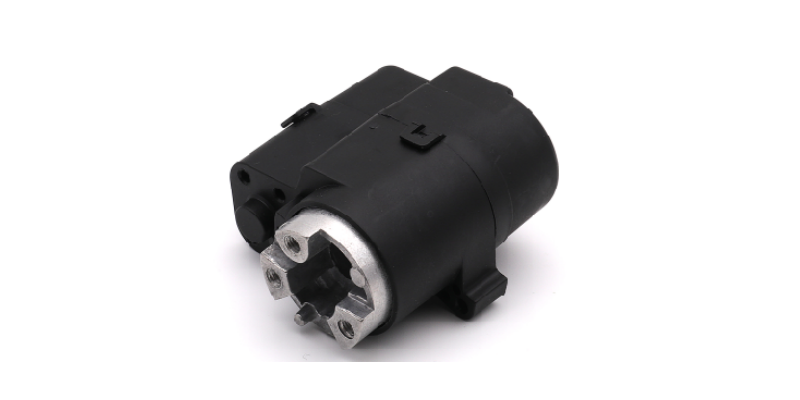
What is the Problem of Traditional Rearview Mirror Actuator?
The gear lifting mechanism installed in the car's rearview mirror driver is one of the core components that adjusts the angle and visual range of the rearview mirror and accurately reflects the scene behind the car body.
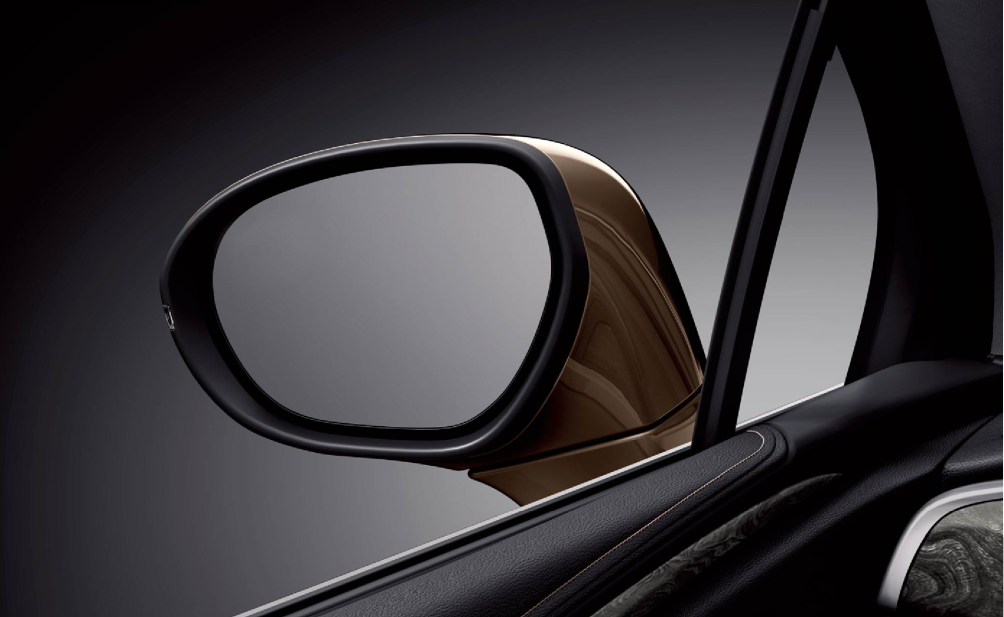
1. The mirrors will produce a large amount of jitter when the car is running, and the image observed in the rearview mirror will also become blurred due to the jitter, which can easily cause visual fatigue to the driver and affect driving safety.
2. When the rack is adjusted to the extreme position, it will cause an upward pulling force on the upper cover. The rack between the upper cover and the motor bracket will easily loosen after being pulled up and down, causing the product to become geared or unable to operate.
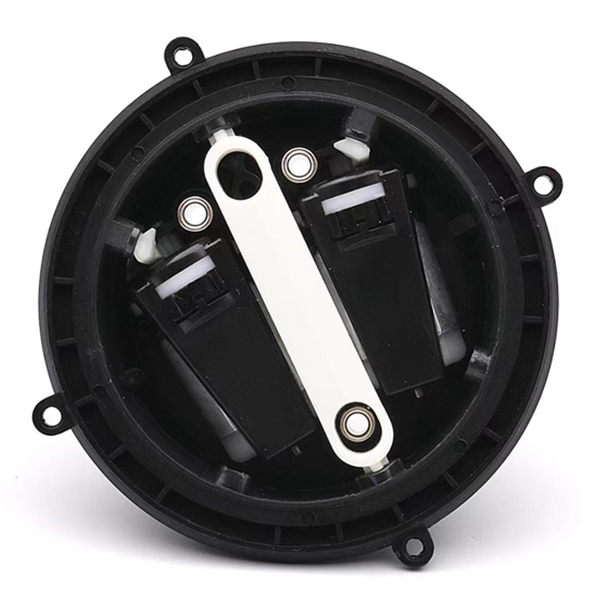
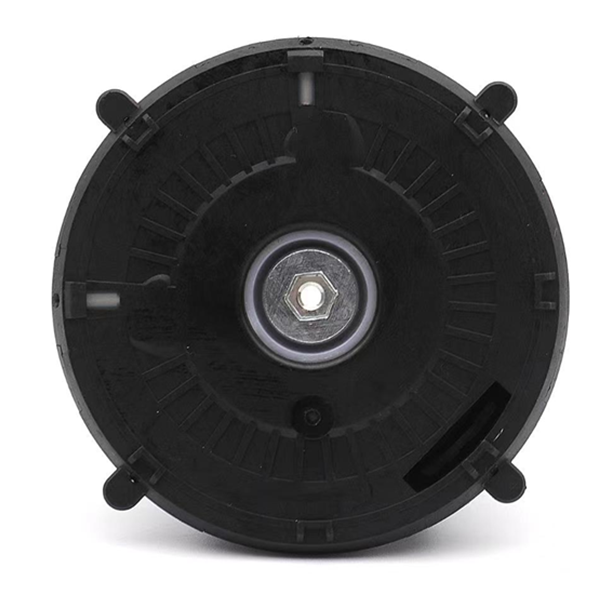
Traditional rearview mirror actuators, often found in manual or non-electrochromic mirrors, can pose several challenges compared to more advanced technologies. Here are some common problems associated with traditional rearview mirror actuators:
-
Limited Adjustment Options:
- Traditional rearview mirror actuators are often manually adjusted, offering limited flexibility in terms of positioning. This limitation can result in suboptimal viewing angles and may require frequent manual readjustments, especially when different drivers use the same vehicle.
-
Inconvenience and Distraction:
- Manual adjustment of rearview mirrors can be inconvenient and may cause distractions for the driver. Taking eyes off the road to adjust the mirrors poses a safety risk, especially in dynamic driving situations.
-
Vibration and Misalignment:
- Due to manual adjustments, traditional rearview mirrors are susceptible to vibration and misalignment. External factors such as road vibrations or inadvertent contact with the mirror can lead to the mispositioning of the mirror, affecting the driver's visibility.
-
Limited Anti-Glare Features:
- Traditional rearview mirror actuators lack advanced anti-glare features found in more modern electrochromic mirrors. This can result in increased glare from headlights at night, causing discomfort and reduced visibility for the driver.
-
Manual Dimming Mechanism:
- In situations with glare from headlights behind, traditional rearview mirrors typically rely on manual dimming mechanisms, such as flipping a lever. This process is not automatic, and drivers may forget to adjust the mirror, leading to potential safety issues.
-
Lack of Integration with Smart Systems:
- Traditional mirror actuators lack integration with smart vehicle systems. Modern vehicles often include advanced safety features and connectivity, and traditional mirrors may not be compatible with these systems.
-
Less Efficient Aerodynamics:
- Some traditional rearview mirrors may have larger profiles, contributing to less efficient aerodynamics. This can impact fuel efficiency, especially in high-speed driving conditions.
-
No Memory Settings:
- Many traditional mirror actuators do not offer memory settings. In vehicles with multiple drivers, this means each driver needs to readjust the mirrors manually, leading to inconvenience and potential safety concerns.
-
Manual Folding Mechanism:
- In situations where folding mirrors are necessary (e.g., parking in tight spaces), traditional rearview mirrors may require manual adjustment, which can be cumbersome and time-consuming.
As automotive technology advances, many of these issues are addressed by the adoption of power-adjustable mirrors, auto-dimming capabilities, and integration with vehicle safety systems. Advanced mirror technologies enhance the overall driving experience, improve safety, and offer greater convenience for drivers.
The Function of Double Curvature Mirror Glass
Manufacturing Process of Mirror Heater Plate
Related Article