Common Issues with Car Rearview Mirrors As Well As Maintenance and Repair Tips
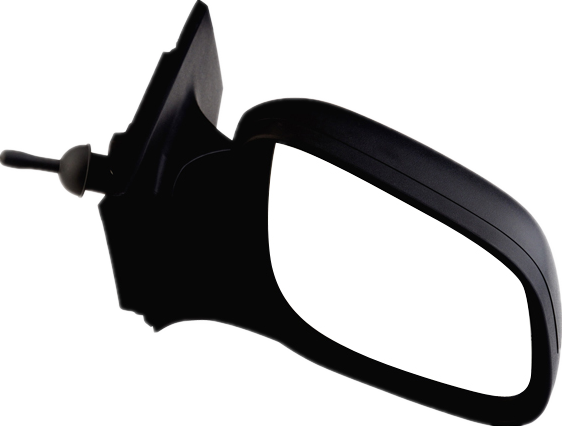
Common Issues and Faults:
-
Cracked or Damaged Mirror Surface: Rearview mirror surfaces may develop cracks or get damaged due to impacts from road debris or external factors. These damages can compromise visibility and safety, making it crucial to address them promptly.
-
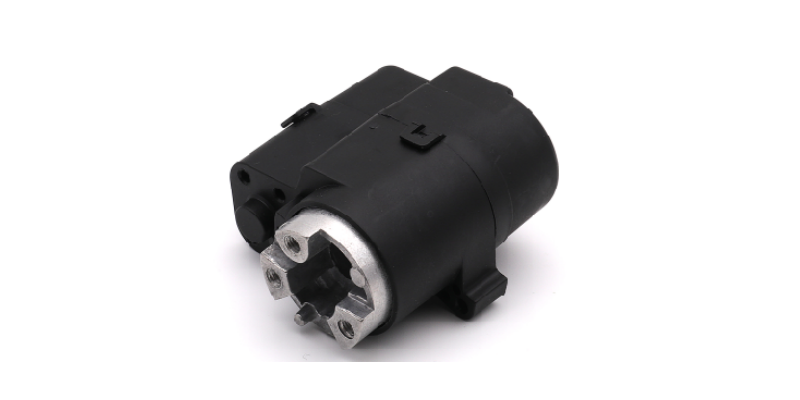
Electric Mirror Failure: Many modern vehicles come equipped with electrically adjustable rearview mirrors. However, issues with the electric motor, wiring, or control switches can lead to failure in adjusting the mirror's position or angle. This not only affects convenience but also compromises driving safety.
-
Heating Element Failure: Rearview mirrors with built-in heating elements are designed to prevent fogging and frost accumulation, ensuring clear visibility in adverse weather conditions. However, if the heating element malfunctions, it can result in ineffective defogging and reduce visibility, particularly during cold weather or rain.
-
Folding Mechanism Faults: Some rearview mirrors feature folding mechanisms, allowing them to fold inward to reduce the risk of damage when parked in tight spaces or during car washes. Faults in these mechanisms, such as jamming or failure to unfold properly, can inconvenience drivers and compromise the mirror's functionality.
-
Indicator Light Malfunction: Rearview mirrors often integrate turn signal lights or other indicators to enhance visibility and safety on the road. Malfunctions in these indicator lights, such as flickering or complete failure, can impair communication between drivers and increase the risk of accidents, especially during lane changes or turns.
Maintenance and Repair Tips:
-
Regular Cleaning: Proper maintenance starts with regular cleaning of the rearview mirror's surface and housing. Use a gentle glass cleaner and a soft microfiber cloth to remove dust, dirt, and smudges. Avoid harsh chemicals or abrasive materials that could damage the mirror's finish.
-
Inspection and Adjustment: Periodically inspect the rearview mirror for any signs of damage, looseness, or abnormal movement. Check the mirror's stability and adjustability, ensuring it remains securely mounted and can be adjusted to the desired position without resistance or excessive play.
-
Circuit Inspection: If the rearview mirror is equipped with electric adjustment or heating functions, conduct regular inspections of the associated wiring and circuits. Look for signs of wear, corrosion, or loose connections that could affect the mirror's operation. Ensure all electrical connections are secure and free from damage.
-
Component Replacement: In the event of significant damage or failure, consider replacing damaged components or the entire rearview mirror assembly. OEM or high-quality replacement parts are recommended to ensure compatibility, performance, and longevity. Professional installation may be necessary for complex repairs.
-
Protective Measures: When parking in tight spaces or crowded areas, fold the rearview mirrors to reduce the risk of damage from passing vehicles or pedestrians. Avoid parking too close to objects or structures that could impact the mirrors when opening doors or maneuvering in confined spaces.
-
Regular Maintenance Checks: Include rearview mirror inspection as part of routine vehicle maintenance checks. Professional auto service technicians can assess the condition of the mirrors, perform necessary adjustments or repairs, and ensure they meet safety standards.
In conclusion, proactive maintenance and timely repairs are essential for keeping car rearview mirrors in optimal condition and ensuring reliable performance. By following these maintenance tips and addressing any issues promptly, drivers can maintain clear visibility, enhance safety, and prolong the lifespan of their rearview mirrors.
What is Car Rearview Mirror switch?
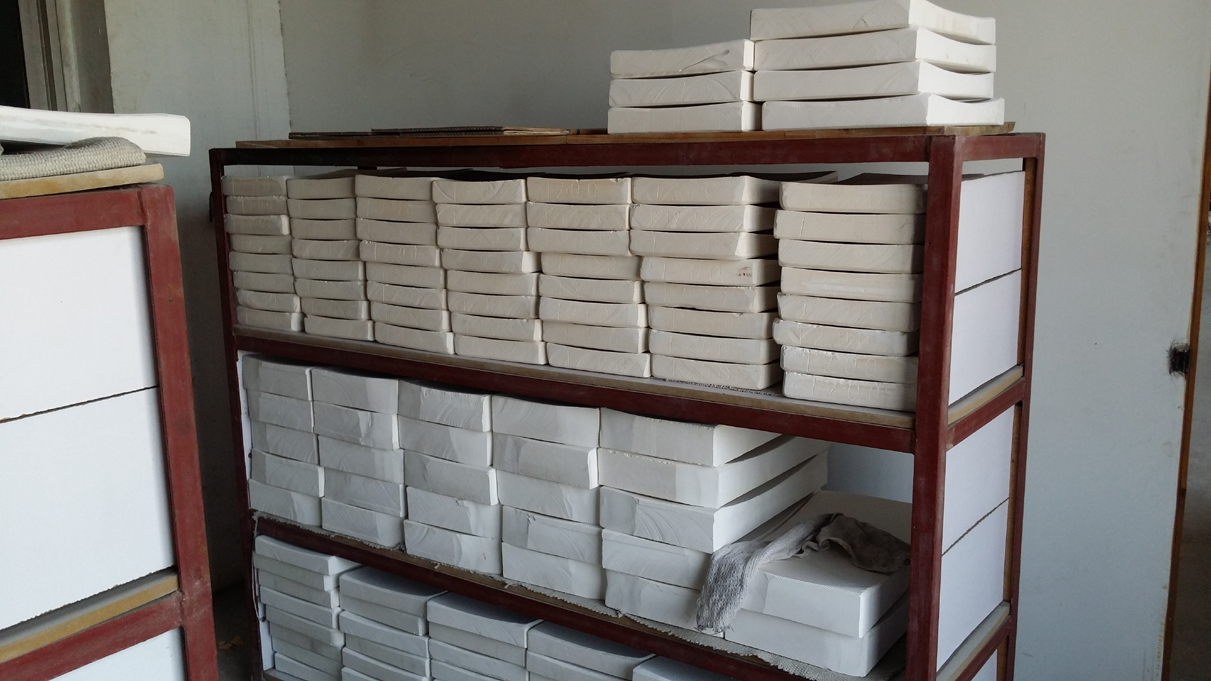
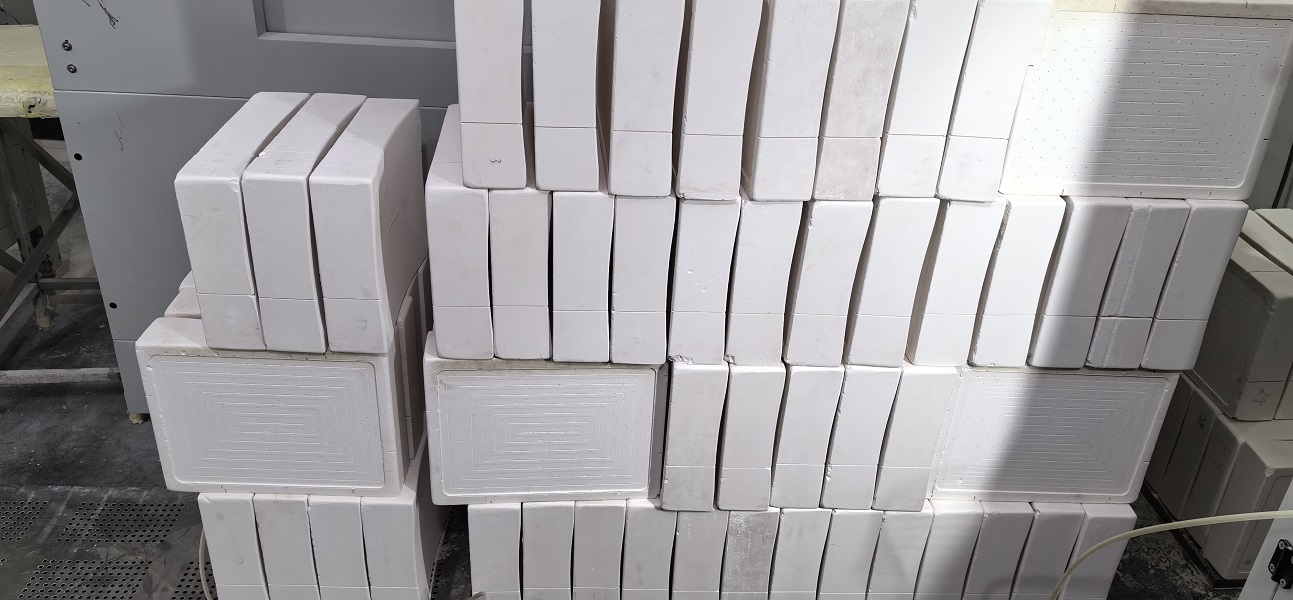
R1260 300mmX400mmX100mm Glass Bending Bricks are Ready to Ship
Related Article