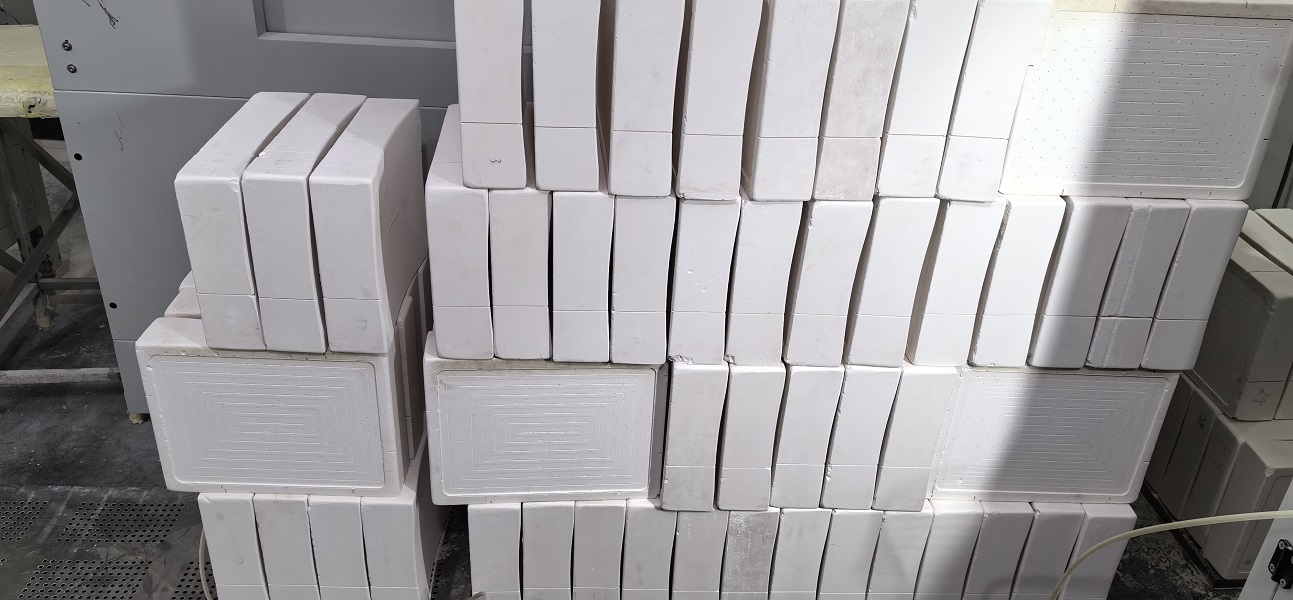
Electro Chromic Glass Assembly
-
Glare reduction: Electrochromic anti-glare mirrors can adjust the tint of the mirror to minimize glare from headlights of oncoming vehicles or bright sunlight during the day.
-
Improved visibility: By reducing glare, the mirror can provide better visibility for the driver, making it easier to see the road and surrounding objects.
-
Safety: Improved visibility can have a positive impact on safety by reducing the risk of accidents caused by poor visibility.
-
Comfort: By preventing glare from entering the vehicle, Electrochromic anti-glare mirrors can improve passenger comfort, making the driving experience more enjoyable.
-
Reduced distraction: Glare can be a distraction to drivers, causing them to take their eyes off the road. Electrochromic anti-glare mirrors can reduce this distraction, making it easier for drivers to focus on the road ahead.
Electrochromic glass assembly refers to the construction and integration of electrochromic glass, a type of smart glass that can change its transparency or color when an electric voltage is applied. This technology is commonly used in windows, doors, and other glass surfaces to control light, heat, and privacy. Here's an overview of the components and the assembly process for electrochromic glass:
Components of Electrochromic Glass Assembly:
-
Glass Layers:
- Electrochromic glass typically consists of two or more glass layers. The glass layers can be laminated or coated with thin films of electrochromic materials.
-
Electrochromic Layers:
- Between the glass layers, there are thin films of electrochromic materials, which are responsible for the change in color or transparency. Common electrochromic materials include tungsten oxide and other metal oxides.
-
Conductive Layers:
- Transparent conductive layers, often made of materials like indium tin oxide (ITO), are applied to facilitate the passage of electric current through the electrochromic layers.
-
Ion-Conductive Layers:
- Electrochromic glass usually includes layers that allow ions to move between the electrochromic materials. These layers are crucial for the electrochromic process.
-
Spacer Layers:
- Spacer layers maintain the separation between the glass layers and prevent direct contact, ensuring uniform distribution of ions and electrical charge.
-
Power Supply and Control System:
- An external power supply provides the electric voltage needed to initiate the electrochromic process. A control system manages the application of voltage based on user preferences or environmental conditions.
Electrochromic Glass Assembly Process:
-
Cleaning and Preparation:
- The glass sheets undergo thorough cleaning to remove any impurities or residues. This step is crucial to ensure optimal adhesion of subsequent layers.
-
Application of Electrochromic Material:
- A thin film of the electrochromic material, such as tungsten oxide, is deposited onto the glass surface. This can be done using techniques like sputtering or chemical vapor deposition.
-
Application of Conductive Layers:
- Transparent conductive layers, such as ITO, are applied on top of the electrochromic layers. These layers allow the passage of electric current and are essential for the functioning of the electrochromic glass.
-
Ion-Conductive Layer Application:
- Layers that facilitate the movement of ions are added to enable the electrochromic process. These layers are typically made of materials with high ion conductivity.
-
Spacer Layer Application:
- Spacer layers are added to maintain separation between the glass sheets, preventing direct contact and ensuring uniform ion distribution.
-
Encapsulation:
- The assembled electrochromic glass unit may be encapsulated to protect it from environmental factors such as moisture and contaminants. This can involve sealing the edges of the glass unit.
-
Integration with Control System:
- The electrochromic glass assembly is integrated with a control system, allowing users to adjust the tint or transparency based on their preferences or environmental conditions.
The electrochromic glass assembly process is a combination of material deposition, layering, and encapsulation, resulting in a smart glass product that can be electronically controlled to modify its optical properties. The versatility of electrochromic glass makes it applicable in various industries, including architecture, automotive, and aerospace, where control over light, heat, and privacy is desired.
What is the Electro Chromic Mirror
The Function of Convex Mirror
Related Article