The Working Principle of Rearview Mirror Heater Plate
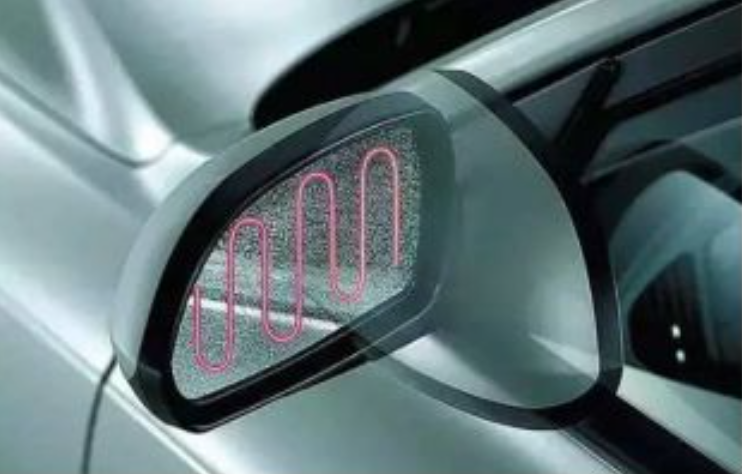
There are generally two ways to turn on the rearview mirror heating function. One is combined with the electric rearview mirror adjustment function key, which can be turned on by simply turning the knob. The other is set on the air conditioning control panel and is activated after pressing the heating button. It can be opened. Generally, the more common opening method on German cars is the knob type, and the more common opening method on Japanese and American cars is the button type.
The working principle of a rearview mirror heater plate involves the application of heat to the mirror surface, preventing fogging or ice buildup. This process enhances visibility, particularly during adverse weather conditions. Here's an overview of the working principle:
-
Heating Element:
- The rearview mirror heater plate includes a heating element, often made of a conductive material like silver or other metal alloys. This element is applied to the rear surface of the mirror substrate.
-
Power Supply:
- The mirror heater plate is connected to a power supply, typically the vehicle's electrical system. The power supply provides the necessary electric current for the heating element to generate heat.
-
Electrical Resistance:
- When the mirror heater is turned on, the electrical current flows through the conductive heating element. The element offers electrical resistance, and as a result, it begins to heat up.
-
Heat Generation:
- The electrical resistance within the heating element leads to the generation of heat. This heat is transferred to the surface of the mirror, raising its temperature.
-
Preventing Fogging and Ice Buildup:
- The elevated temperature of the mirror surface prevents the formation of condensation (fog) on the mirror during humid or cold weather. It also helps melt ice or frost that may accumulate on the mirror, ensuring a clear and unobstructed view for the driver.
-
Automatic or Manual Control:
- Some mirror heater plates have an automatic control system that activates the heating element based on ambient conditions, such as temperature or humidity. Others may be manually controlled by the driver, typically through a switch inside the vehicle.
-
Integration with Mirror Assembly:
- The mirror heater plate is integrated into the rearview mirror assembly, often positioned on the rear surface of the mirror. The integration ensures that the heating element covers the entire mirror area.
-
Energy Efficiency:
- Mirror heater plates are designed to be energy-efficient, providing effective heat distribution while minimizing power consumption. The heating element is engineered to achieve the desired temperature without excessive energy usage.
-
Safety Features:
- Some mirror heater plates include safety features to prevent overheating. These features may include temperature sensors or timers that regulate the duration of heating to avoid unnecessary energy consumption.
-
Compatibility with Auto-Dimming:
- In some cases, mirror heater plates may be integrated with auto-dimming features. Auto-dimming mirrors use electrochromic technology to reduce glare from headlights automatically. The combination of heating and auto-dimming provides an advanced solution for improved visibility and comfort.
In summary, the working principle of a rearview mirror heater plate involves the controlled generation of heat through a conductive element, preventing fogging and ice buildup on the mirror surface. The integration of this technology contributes to enhanced driver visibility and safety, particularly in challenging weather conditions.
How to Use Mirror Heater Plate?
Which Mirror is Used in Vehicles for Rear View?
Related Article