
Fire Brick Use for Bending Car Side Mirror
- Place of Origin: CN; ZHE
- Brand Name: wanhe
- Model Number: wanhe
- Refractoriness (Degree): Super-Class (Refractoriness>2000°)
Refractory products:
the refractory brick is a melt treatment of aluminum and aluminum alloy, is a calcium silicate board of a variety of purposes, the machining performance and excellent thermal insulation properties, have been identified as high-performance insulation furnace industry standards, suitable for thermal insulation structure, the highest use temperature is about 850 °C to, can be used as hot bending glass mould, car mirror and glass handicraft processing.
Product advantages: 1. Does not contain asbestos.
2. Low thermal conductivity.
3. Thermal shock.
4. Aluminum nonstick.
5. Nonsticking aluminum machining performance.
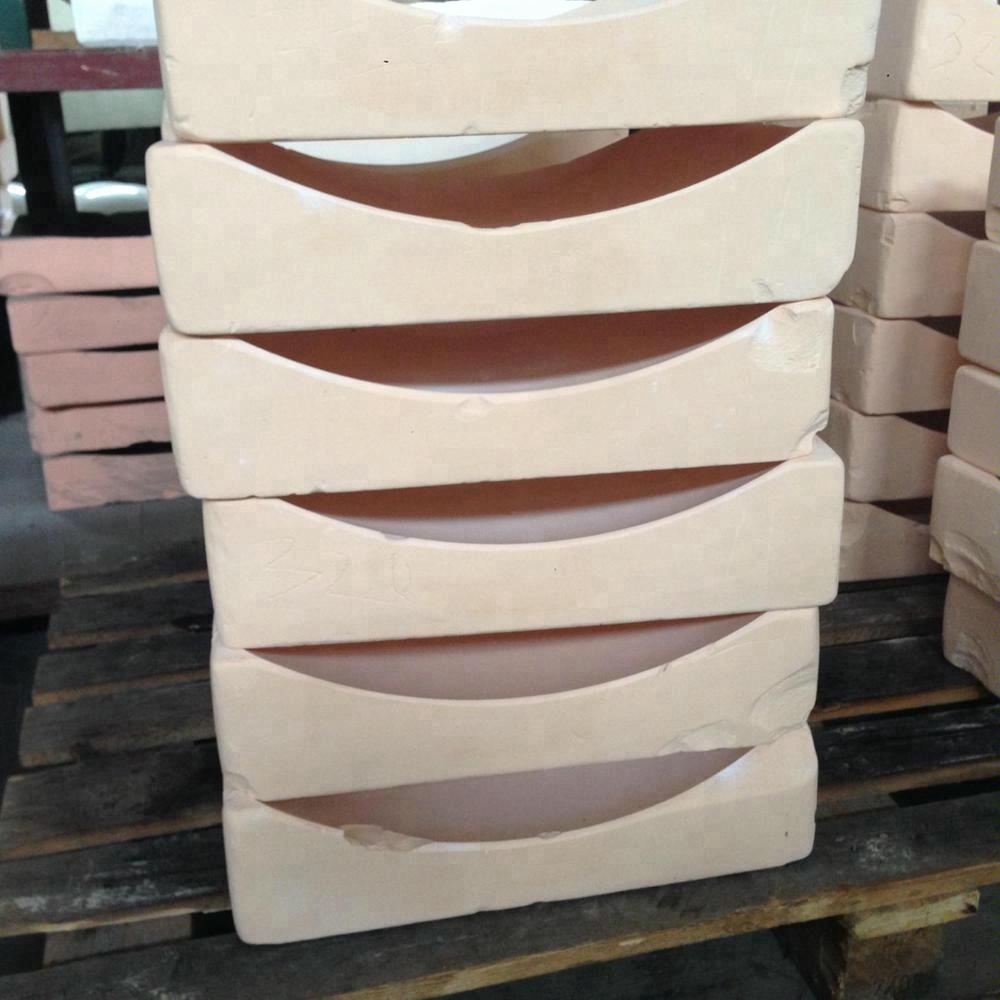
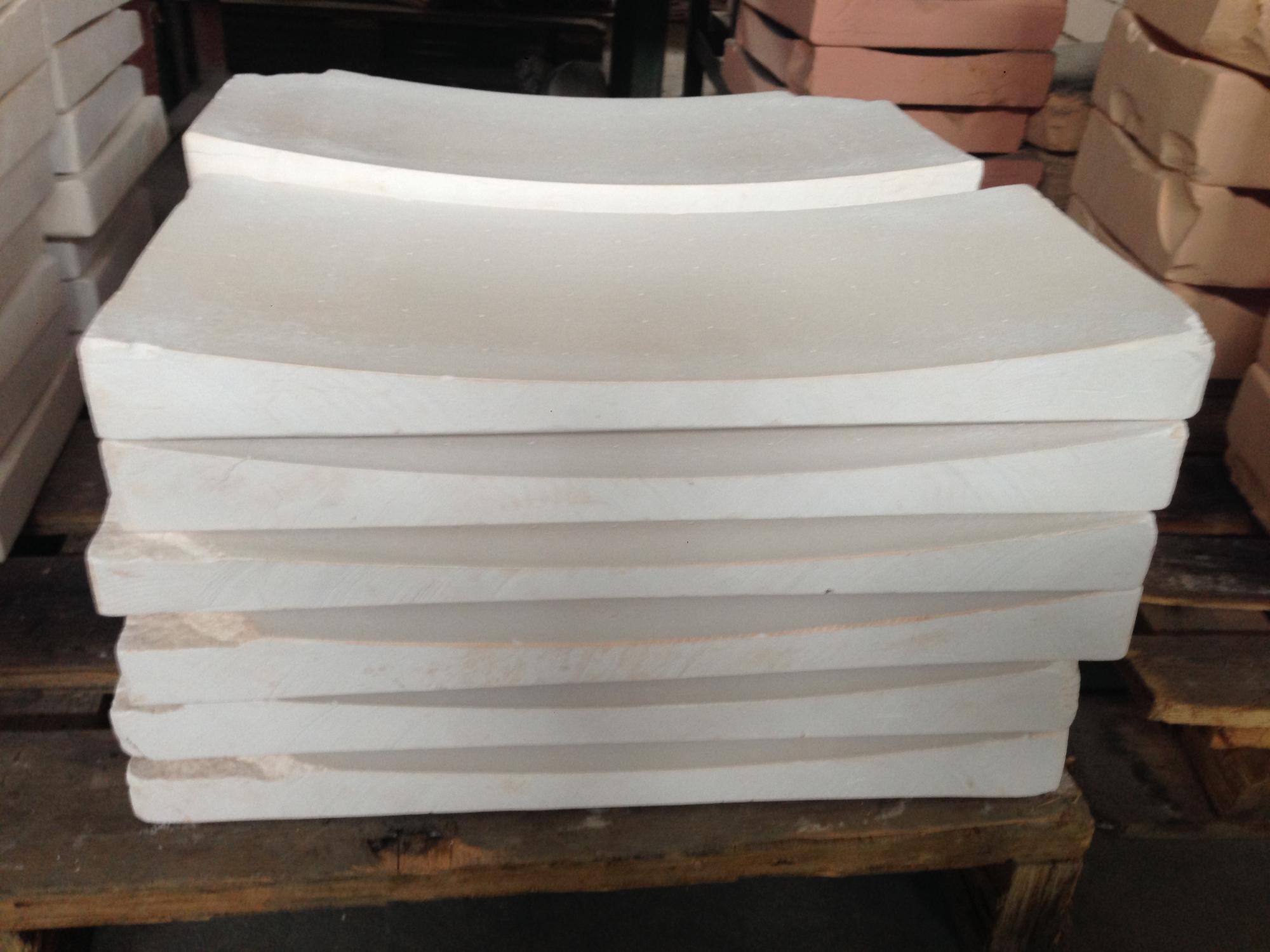
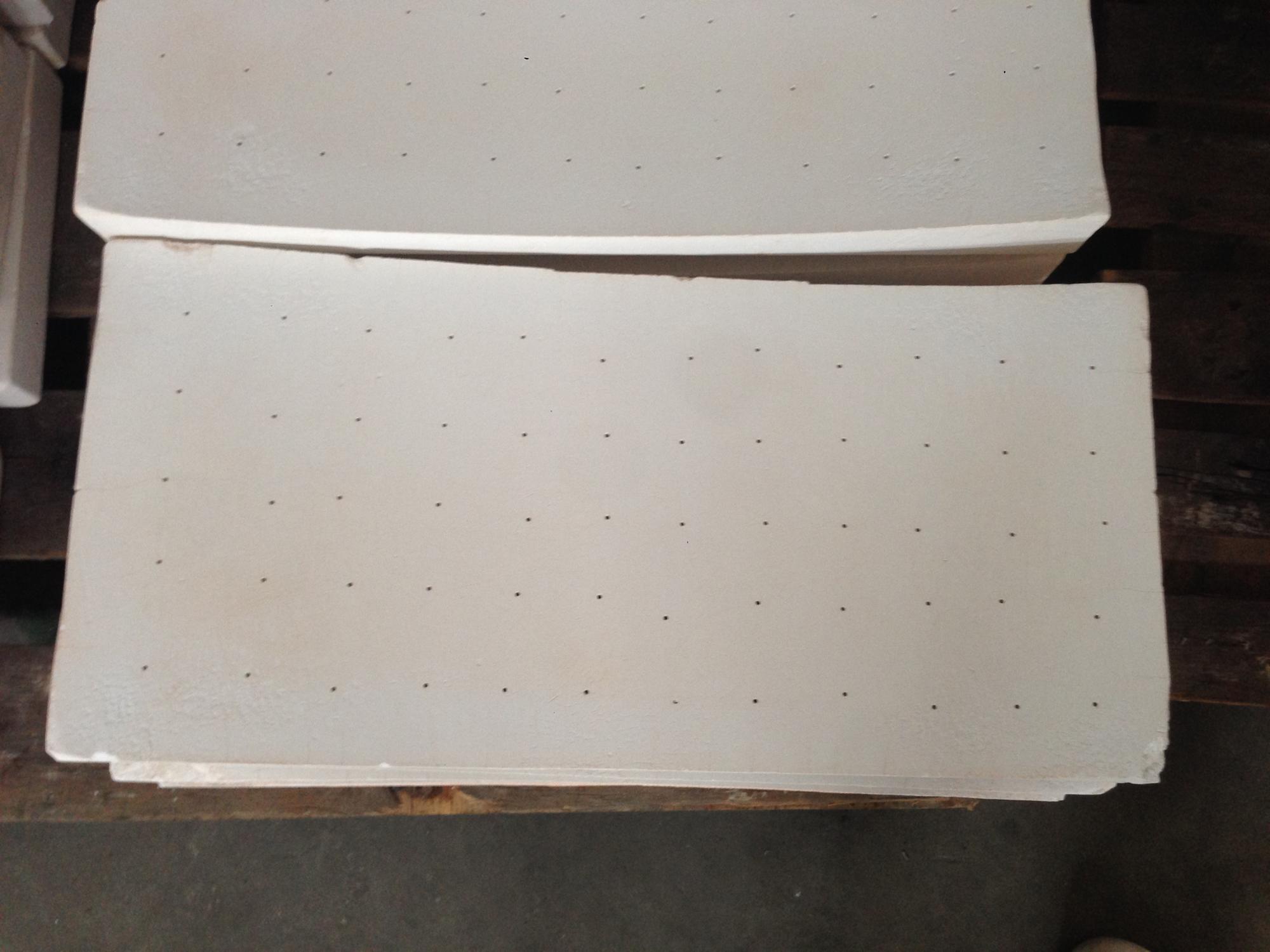
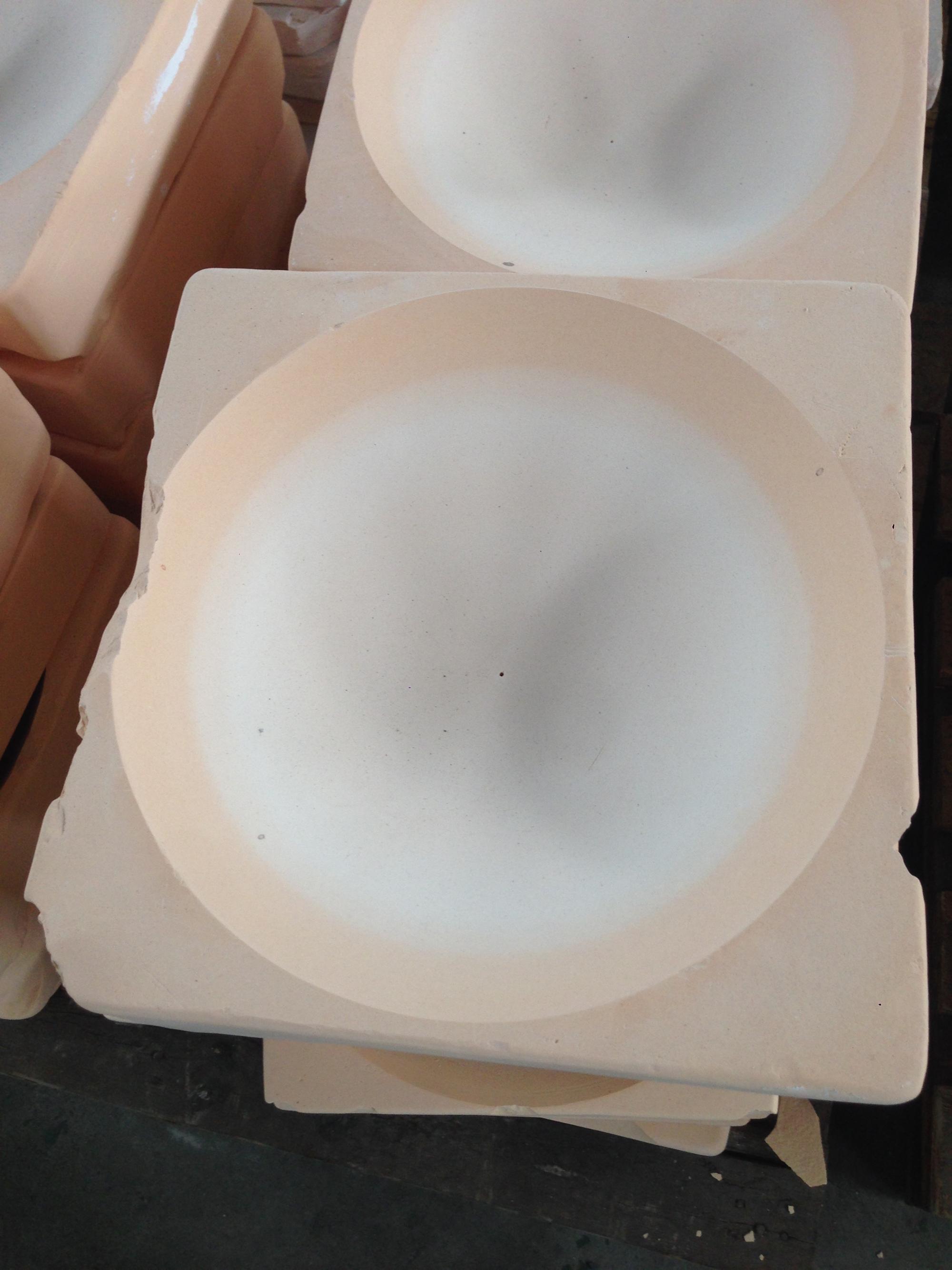
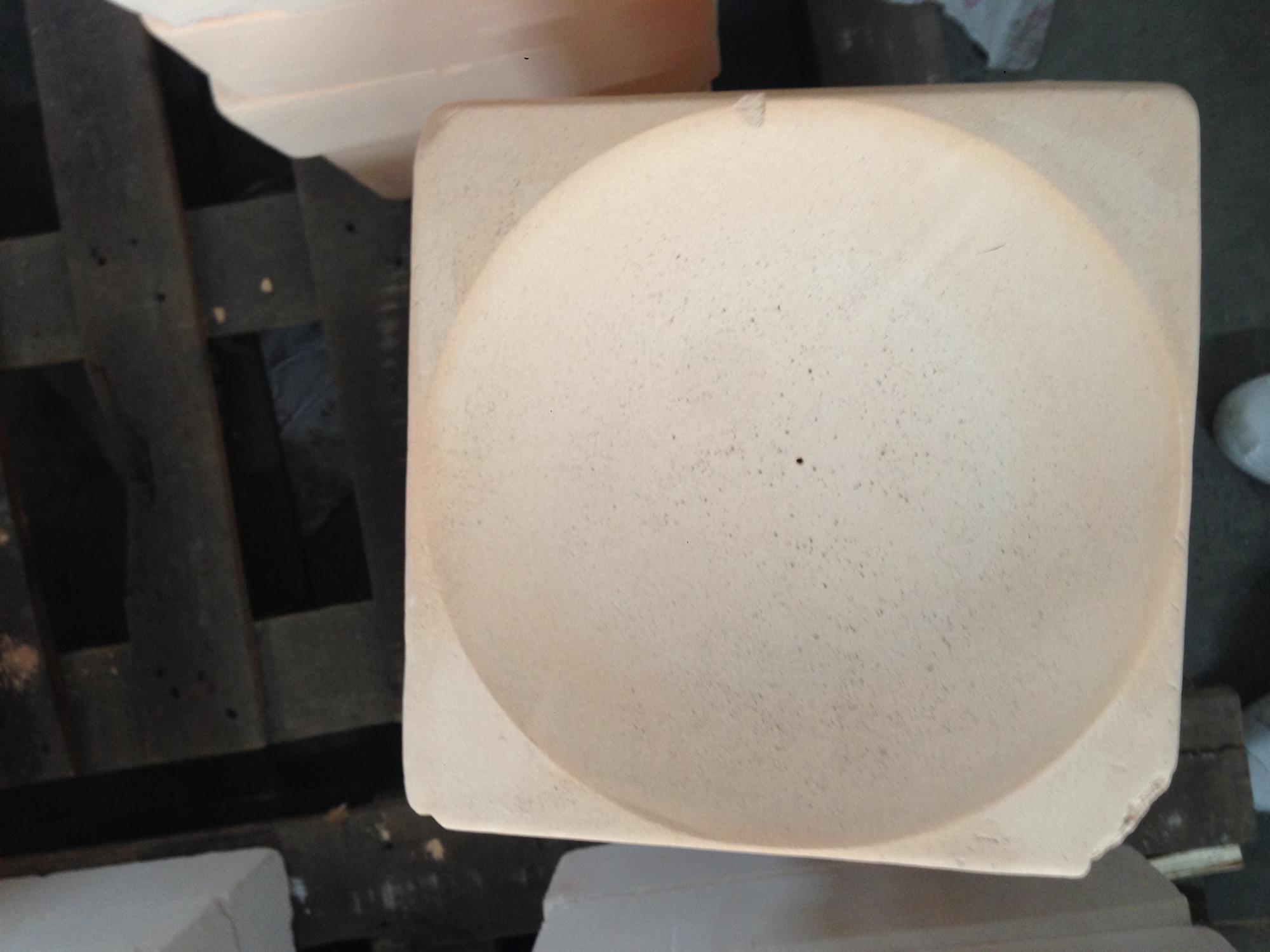
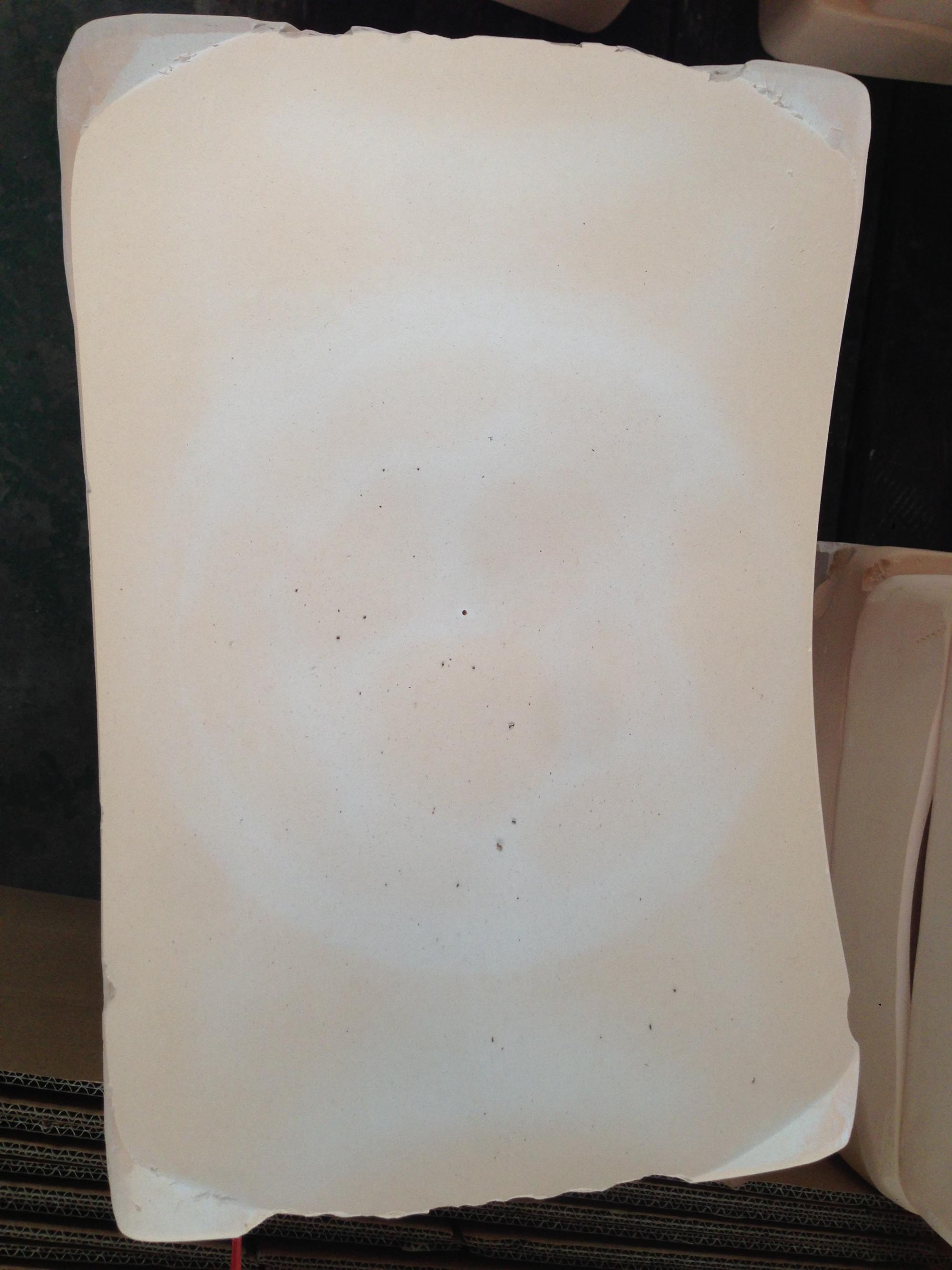
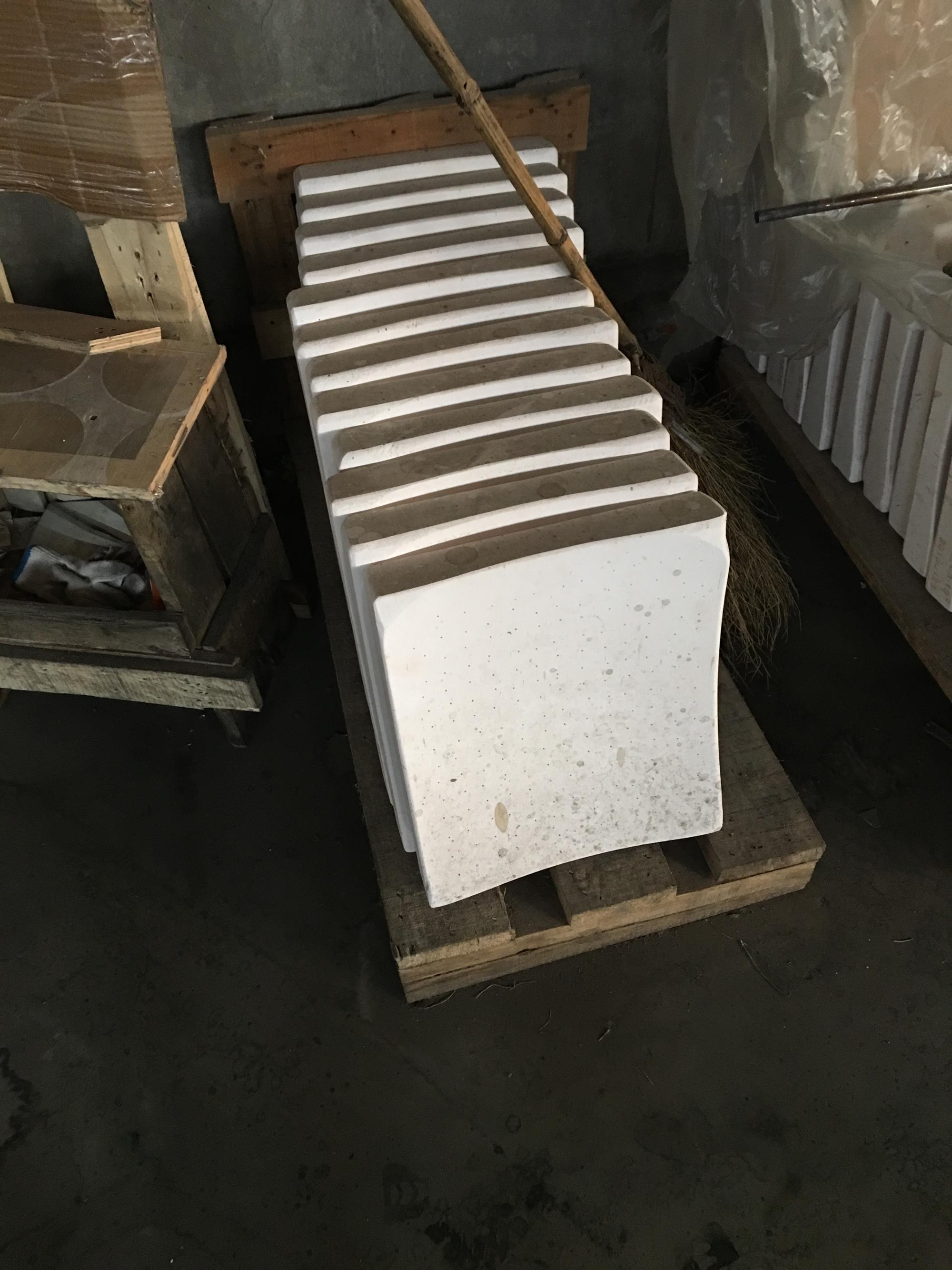
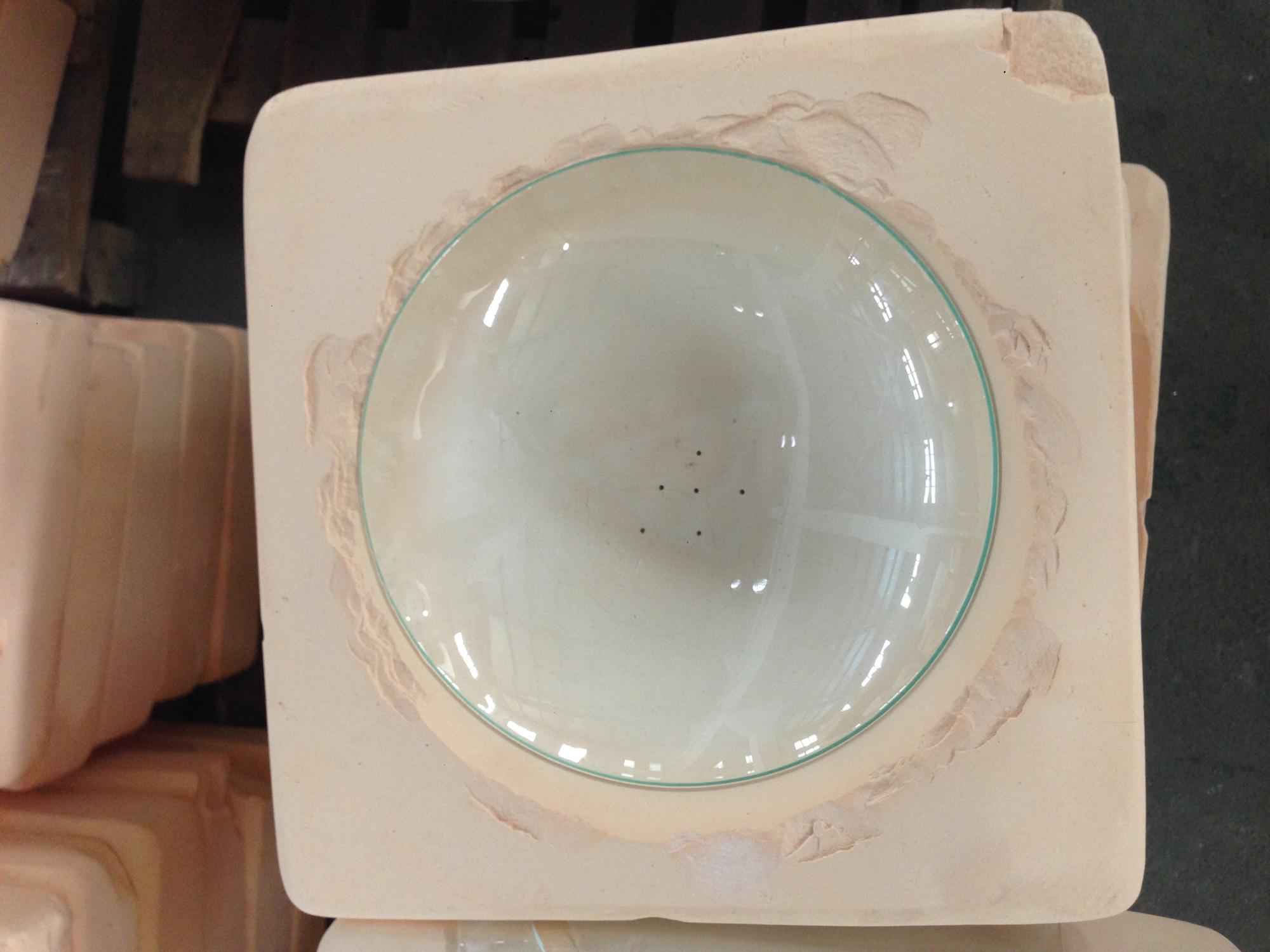
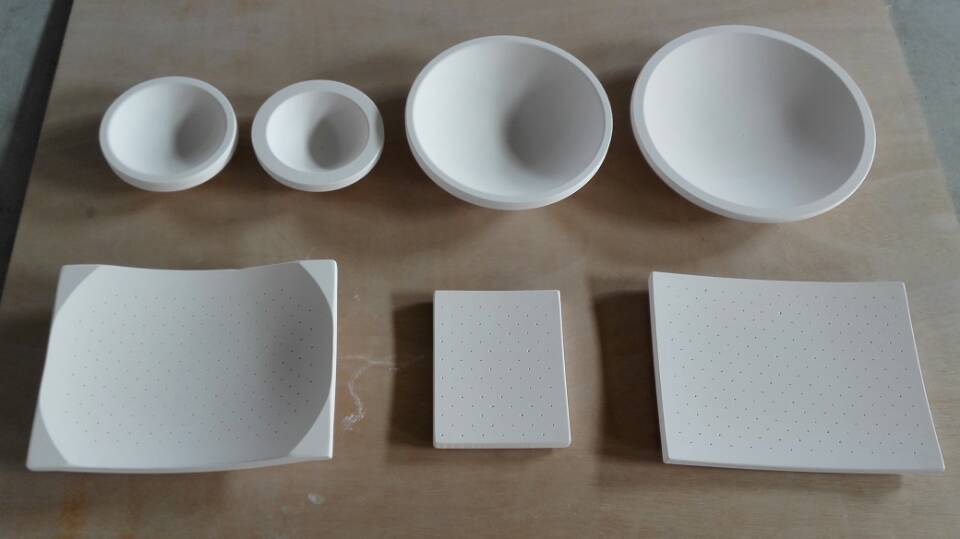
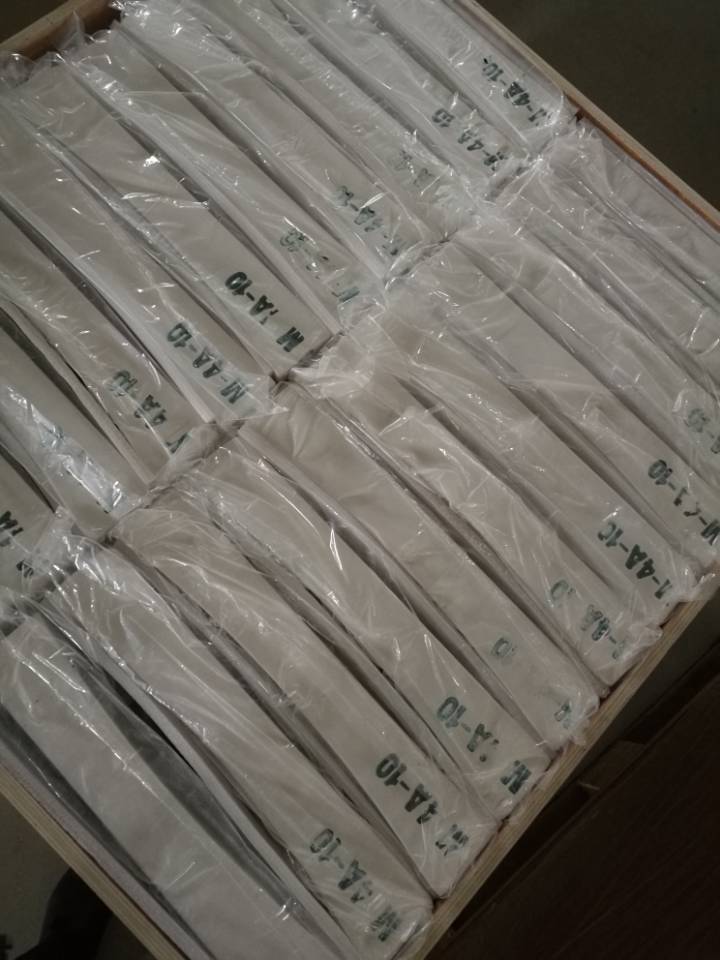
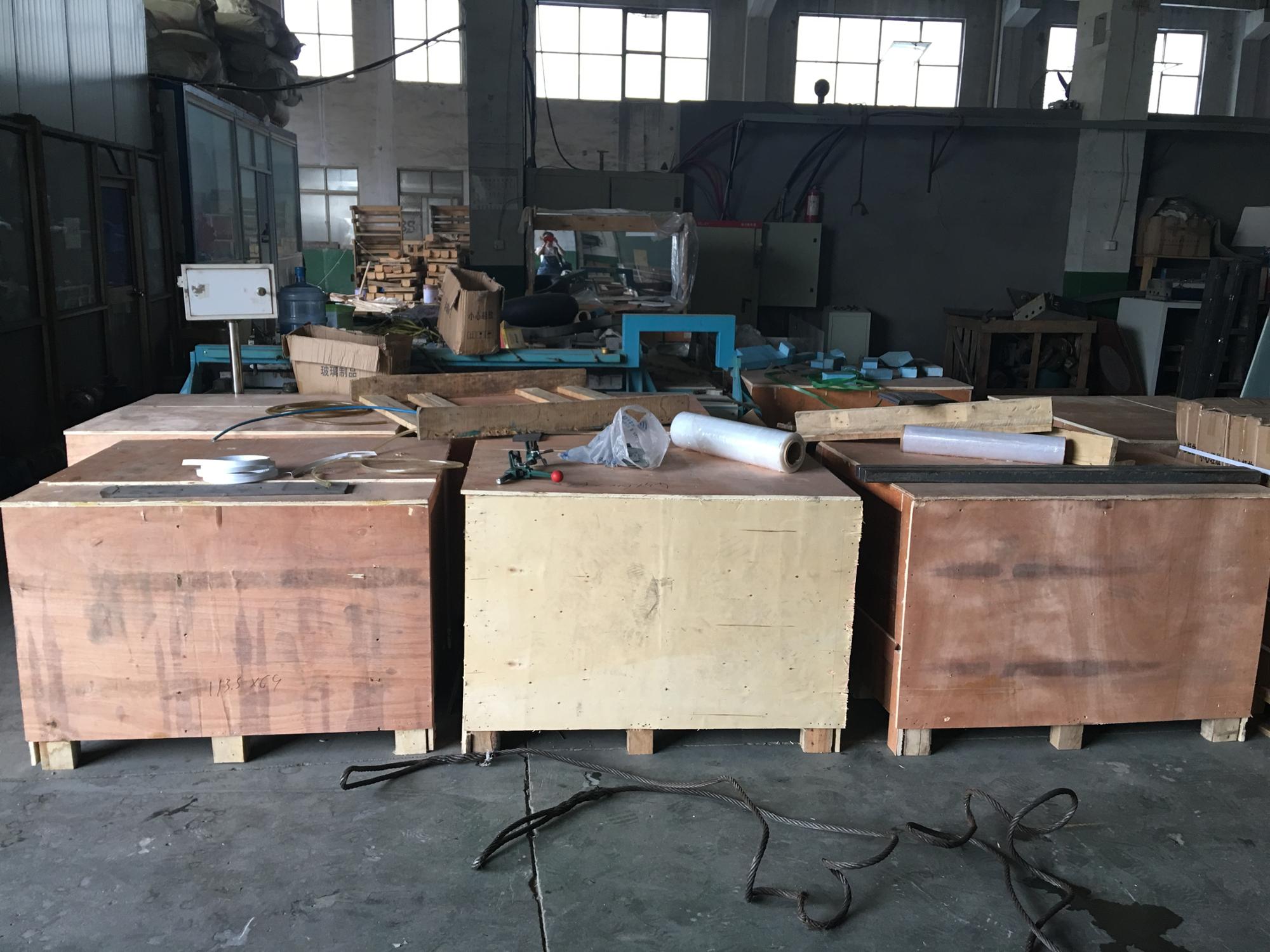
A fire brick, also known as a refractory brick, is a specialized type of brick designed to withstand high temperatures and harsh conditions, particularly in applications involving heat, fire, and intense thermal environments. These bricks are typically used in the construction of fireplaces, furnaces, kilns, and other structures where extreme heat resistance is required.
Key characteristics of fire bricks include:
Heat Resistance: Fire bricks are made from refractory materials that can withstand elevated temperatures without deforming, melting, or breaking down. They are engineered to retain their structural integrity even under intense heat.
Insulating Properties: While providing heat resistance, fire bricks also possess insulating properties. This helps in retaining heat within a furnace or fireplace and prevents excessive heat transfer to the surrounding structures.
Chemical Composition: Fire bricks are often composed of refractory materials such as fire clay, alumina, silica, or a combination of these materials. The specific composition can vary based on the intended application and the temperature requirements.
Various Shapes and Sizes: Fire bricks come in a variety of shapes and sizes to suit different construction needs. Common shapes include rectangular, square, and wedge-shaped bricks, and they can be customized for specific installations.
Dense vs. Insulating: There are two main types of fire bricks: dense and insulating. Dense fire bricks are heavier and offer better thermal conductivity, making them suitable for applications where thermal mass is crucial. Insulating fire bricks, on the other hand, are lighter and have lower thermal conductivity, providing better insulation.
Refractory Mortar: When building structures using fire bricks, refractory mortar is often used as the bonding agent. This mortar is specifically formulated to withstand high temperatures and provide a secure bond between the bricks.
Applications of fire bricks include the construction of fireplaces, wood-burning stoves, kilns, furnaces, and other heat-intensive environments. Their ability to resist high temperatures makes them essential for creating structures that can safely contain and withstand extreme heat without compromising safety or structural integrity.


