

Mirror Forming Bricks
- Place of Origin:CN;ZHE
- Brand Name:wanhe
- Model Number:wanhe
- Refractoriness (Degree):Super-Class (Refractoriness>2000°)
- Material:Other
Refractory products:
the refractory brick is melt treatment of aluminum and aluminum alloy, is a calcium silicate board of a variety of purposes, the machining performance and excellent thermal insulation properties, have been identified as high performance insulation furnace industry standards, suitable for thermal insulation structure, the highest use temperature is about 850 °C to, can be used as hot bending glass mould, car mirror and glass handicraft processing.
Product advantages: 1.Does not contain asbestos.
2.Low thermal conductivity .
3.Thermal shock.
4. Aluminum non stick.
5.Non sticking aluminum machining performance.
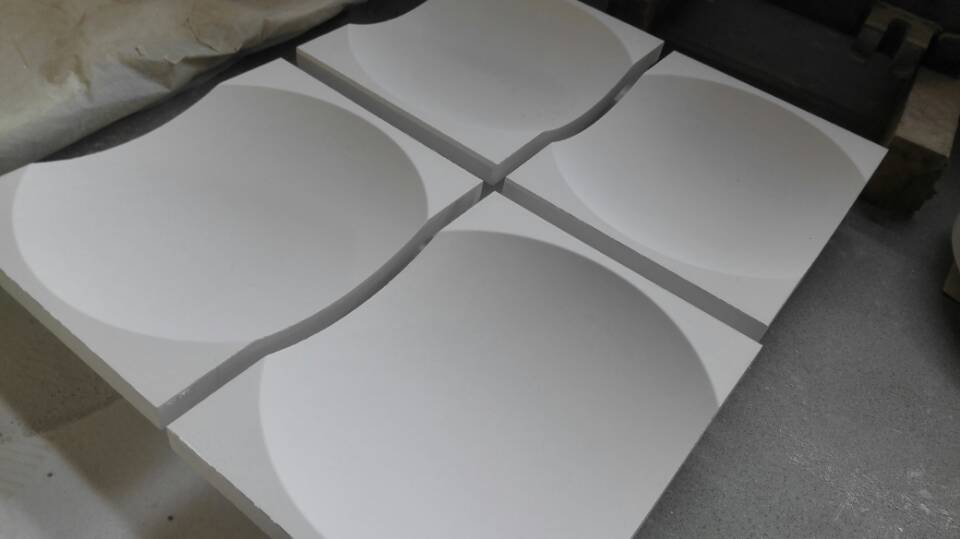
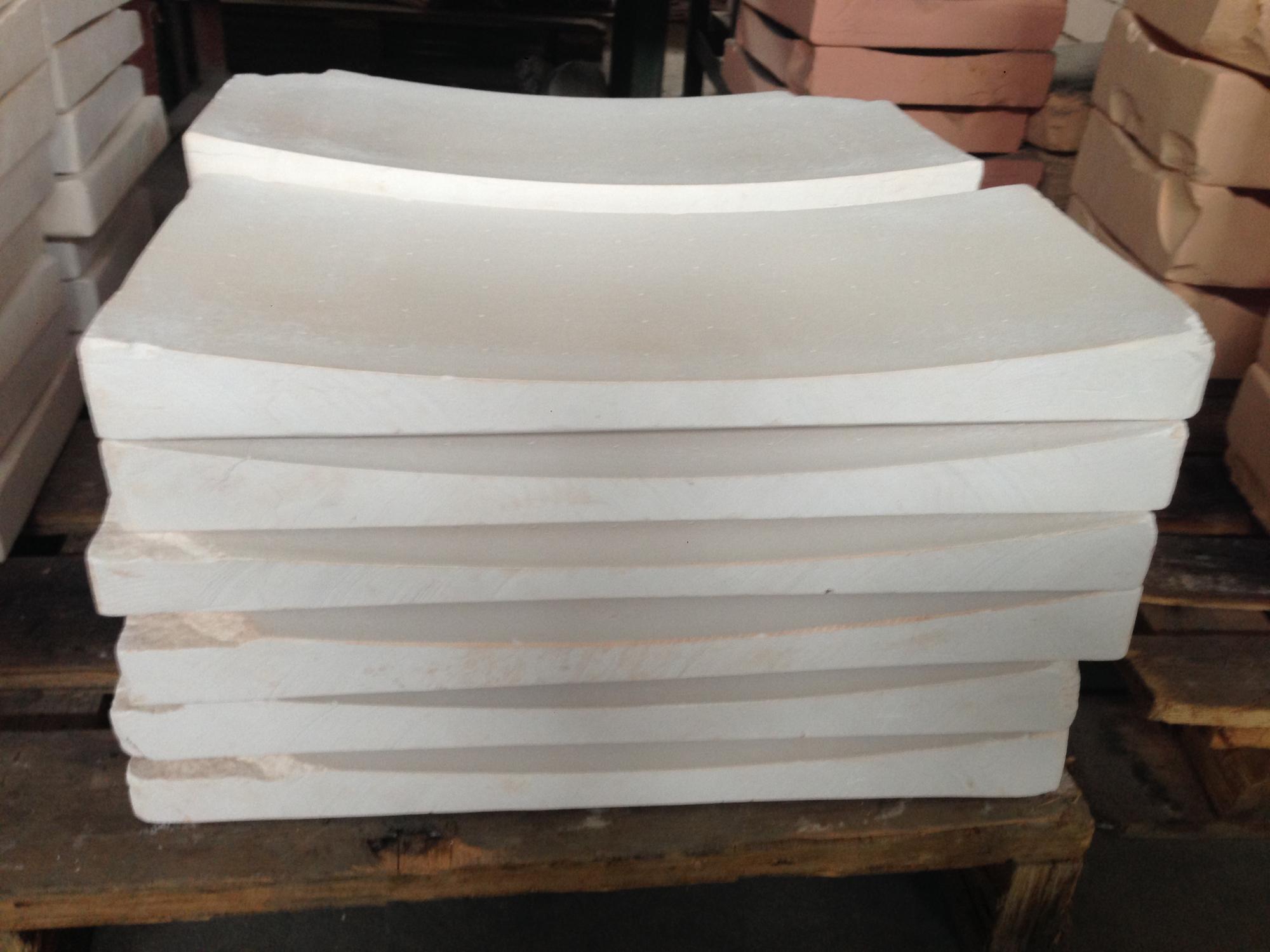
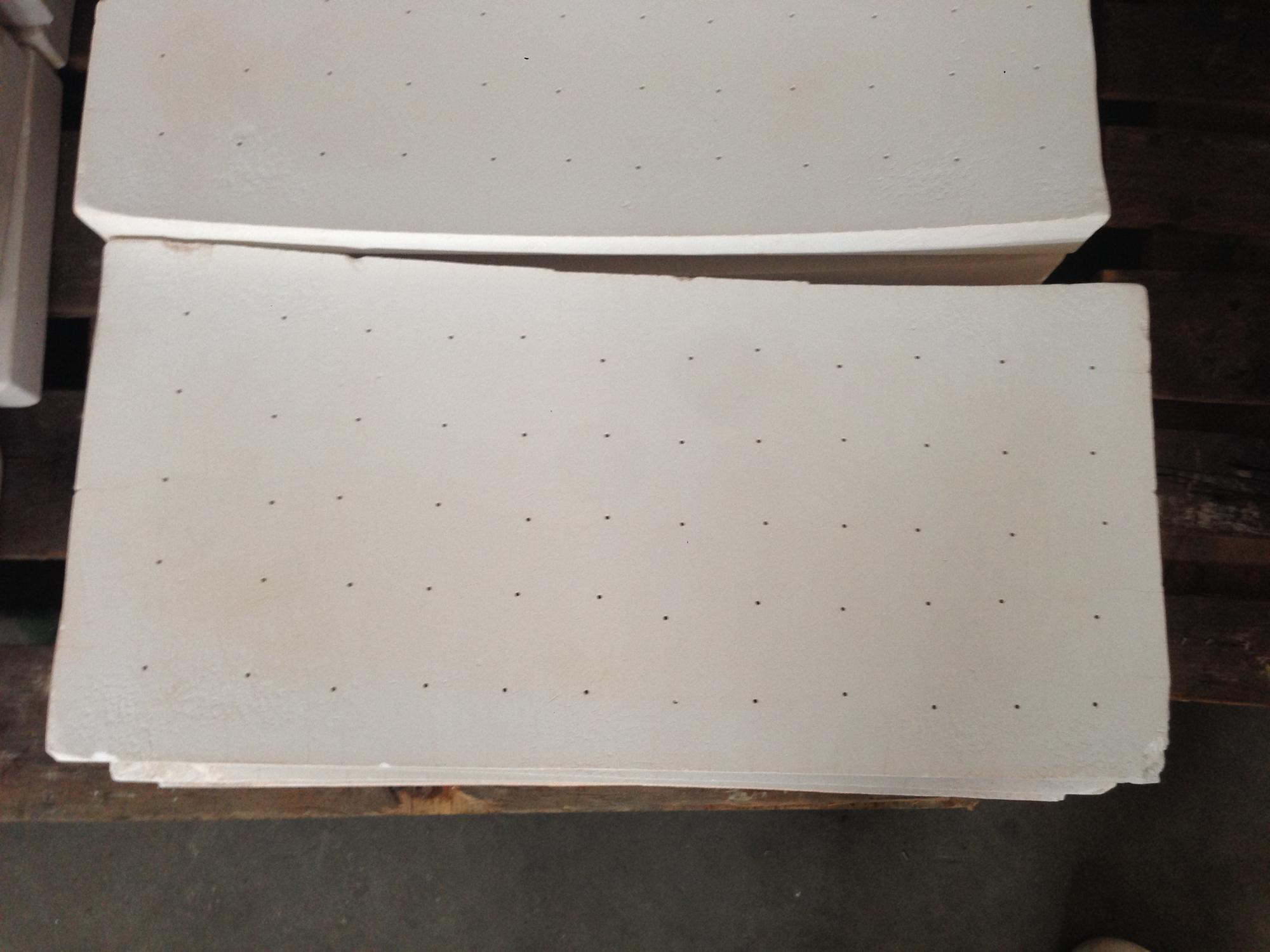
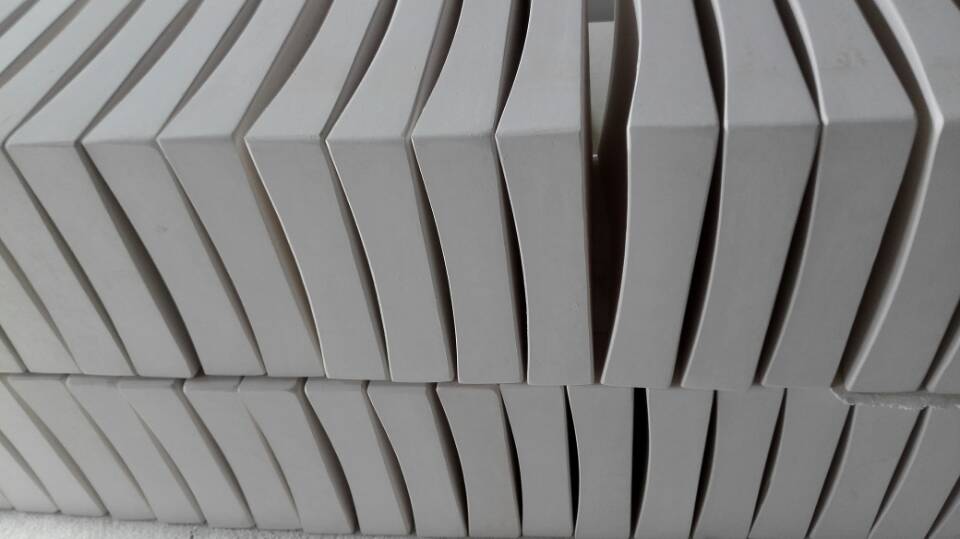
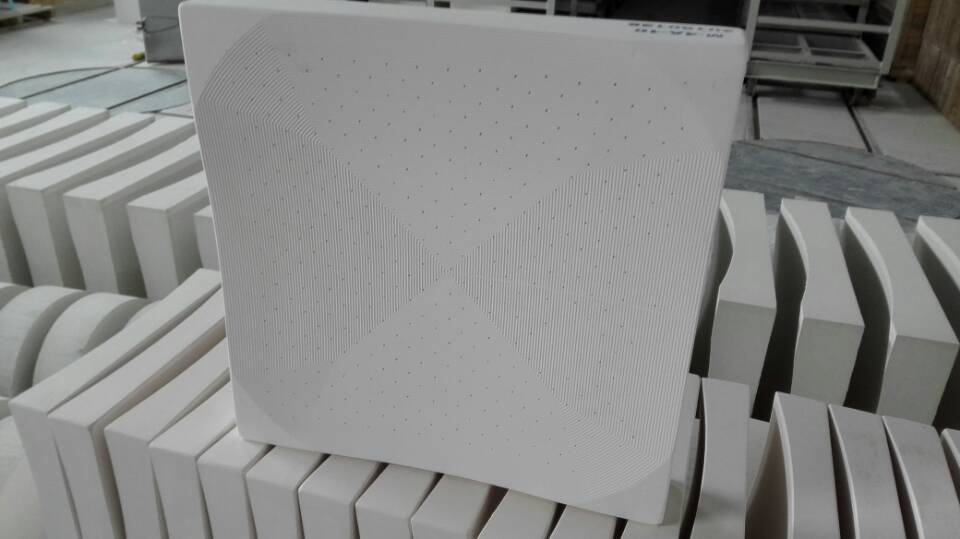
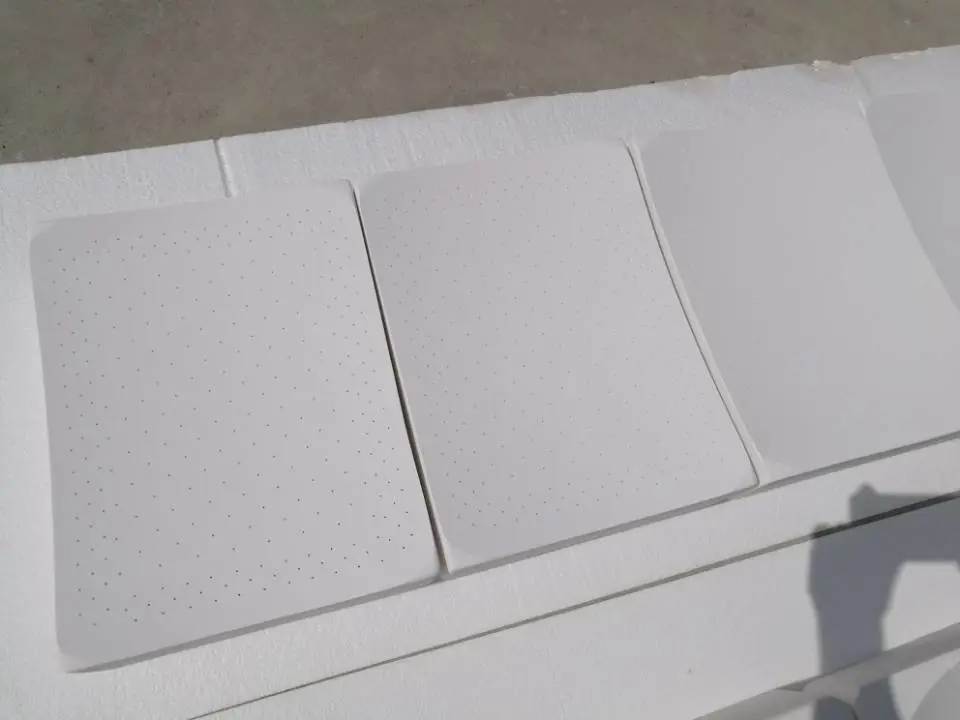
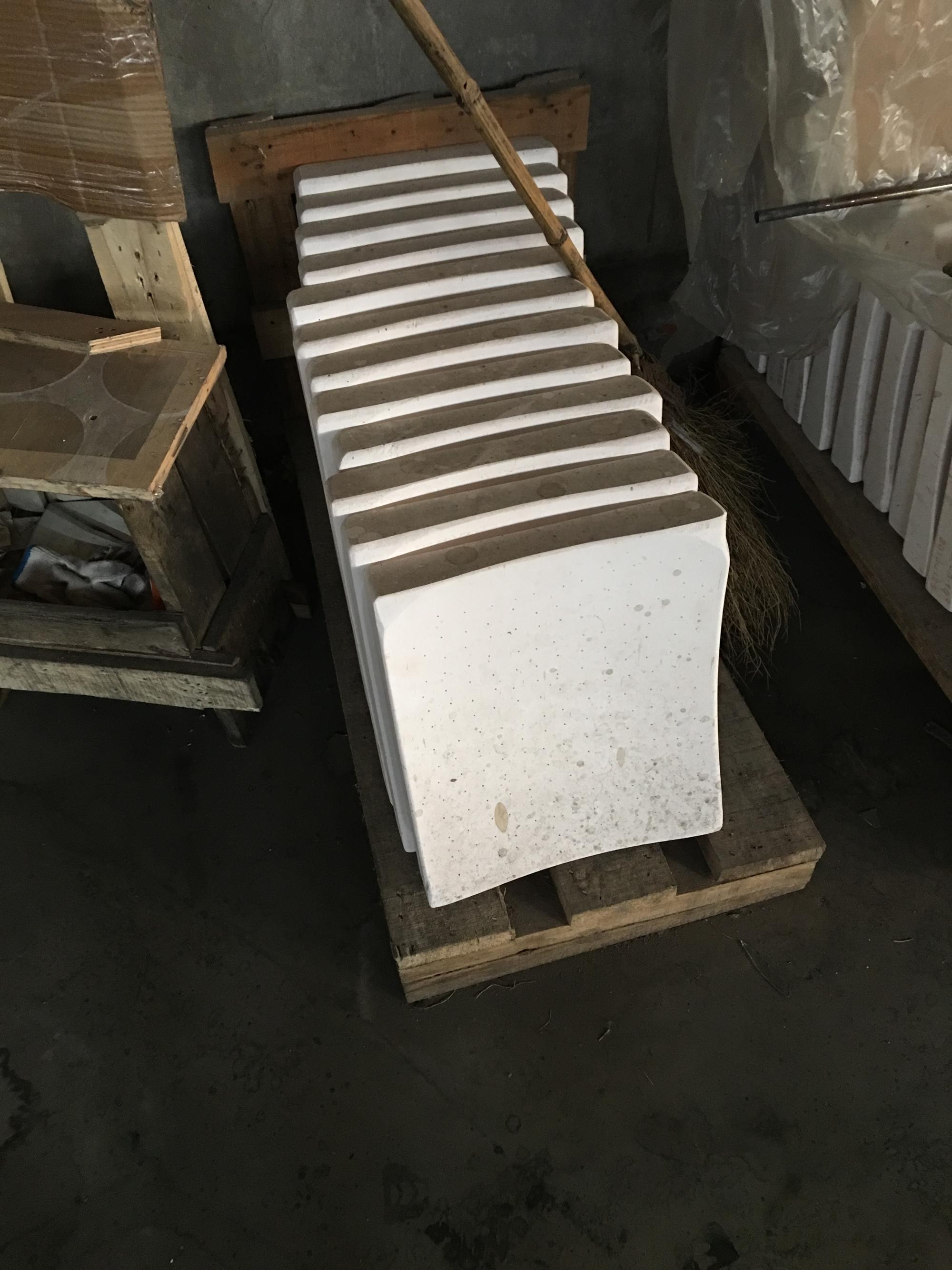
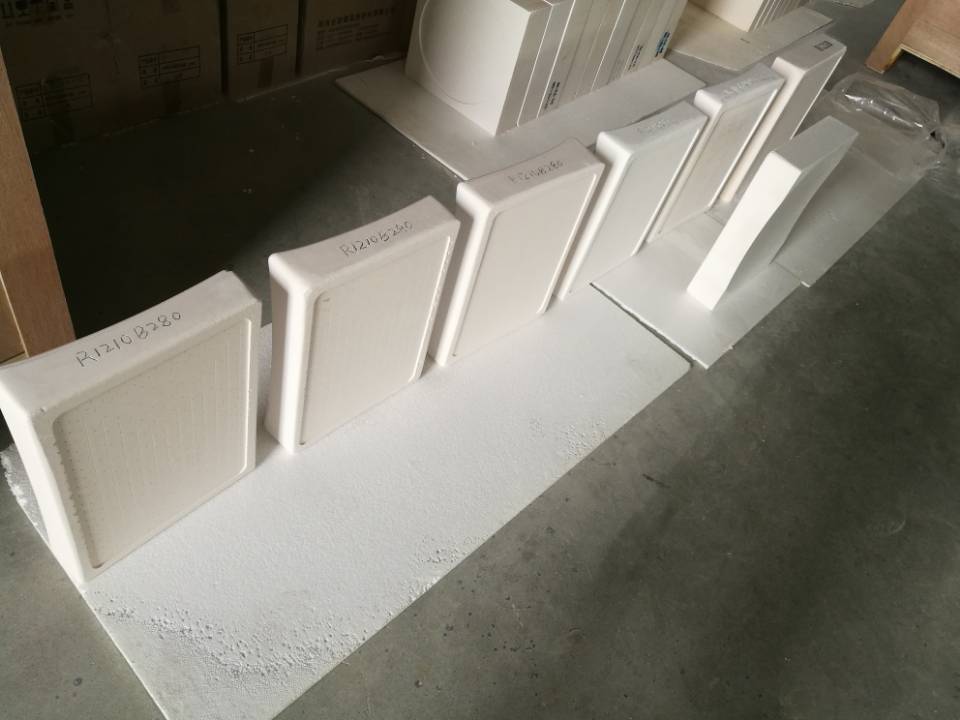
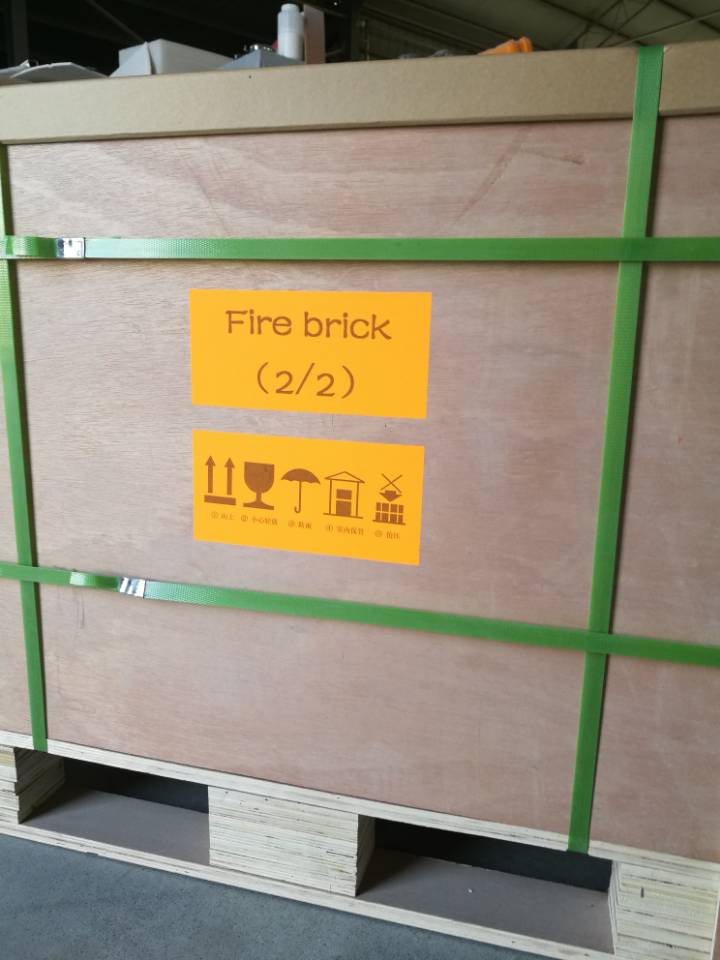
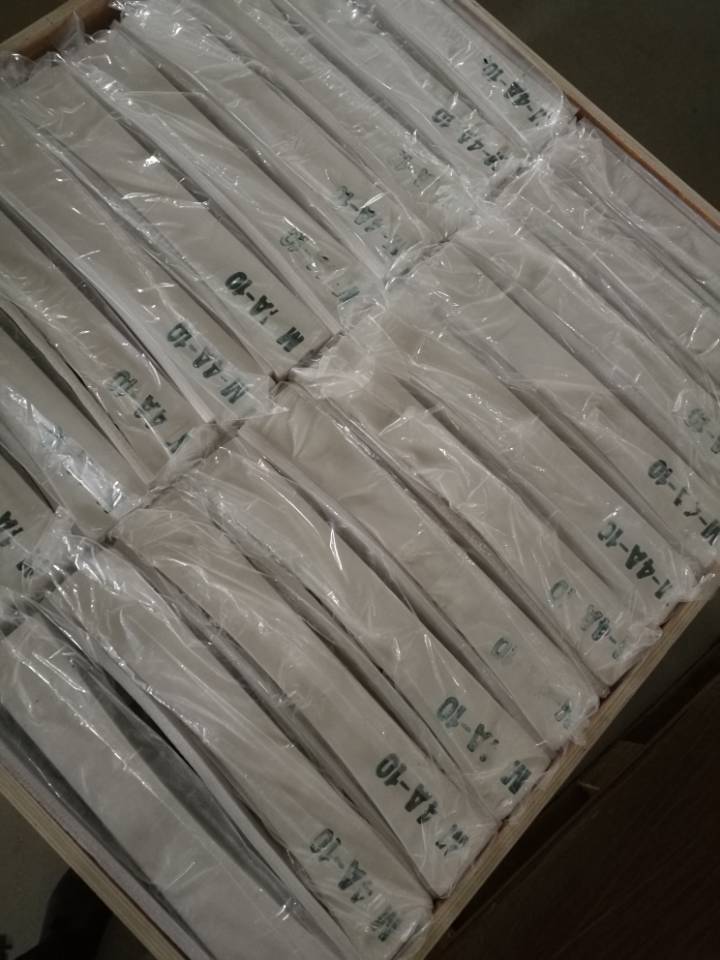
Fire bricks, also known as refractory bricks, heat-resistant bricks or mirror forming bricks, are specialized bricks designed to withstand high temperatures and harsh conditions. These mirror forming bricks are made from refractory materials, which are materials that can withstand extreme temperatures without deforming, melting, or breaking down. Fire bricks find extensive use in applications involving heat, fire, and intense thermal environments.
Function of Fire Brick (mirror forming bricks):
Heat Resistance: The primary function of fire bricks ( mirror forming bricks) is to resist and withstand high temperatures. They are used to construct surfaces and structures in areas where extreme heat is generated, such as in fireplaces, furnaces, kilns, and industrial settings.
Insulation: Fire bricks (mirror forming bricks) possess insulating properties, which help in retaining heat within a structure. In applications like furnaces or kilns, where maintaining a high temperature is crucial, fire bricks contribute to preventing excessive heat loss.
Structural Integrity: Fire bricks (mirror forming bricks) are chosen for their ability to maintain structural integrity under extreme conditions. In environments with frequent temperature fluctuations or exposure to intense heat, these mirror forming bricks provide a stable and durable structure.
Resistance to Thermal Shock: Thermal shock occurs when a material experiences rapid temperature changes. Fire bricks are designed to resist thermal shock, making them suitable for applications where temperatures can vary significantly.
Chemical Inertness: In certain applications, especially those involving exposure to chemical reactions at high temperatures, fire bricks (mirror forming bricks) exhibit chemical inertness. This means they do not react with or are minimally affected by the chemicals present in the environment.
Versatility in Applications: Fire bricks (mirror forming bricks) come in various shapes and sizes, making them versatile for different applications. They can be customized to fit specific requirements in terms of dimensions, shapes, and thermal properties.
Construction Material for Fireproofing: Fire bricks (mirror forming bricks) are often used as a construction material to create fire-resistant barriers. They form an essential part of fireproofing structures, providing a protective layer that can withstand heat and prevent the spread of flames.
Industrial Furnaces and Kilns: In industries such as metalworking, glassmaking, and ceramics, fire bricks (mirror forming bricks) are commonly used to construct furnaces and kilns. These bricks provide a reliable and durable lining that can withstand the high temperatures necessary for industrial processes.
Refractory Mortar Bonding: When constructing structures with fire bricks (mirror forming bricks), refractory mortar is used as a bonding agent. This mortar is formulated to withstand high temperatures and ensures a secure bond between the mirror forming bricks, maintaining the structural integrity of the overall construction.
In summary, the function of fire bricks (mirror forming bricks) lies in their ability to withstand extreme temperatures, provide insulation, maintain structural integrity, and resist thermal shock, making them essential in various industries and applications where exposure to heat and fire is a constant challenge.


